Pacific Northwest Roofing Specialists

In the Pacific Northwest, Winter Storm Damage Rarely Looks Serious at First

Most winter storm damage isn’t dramatic. Shingles don’t always rip off. Ceilings don’t always stain right away.

Instead, wind breaks seals, rain is pushed sideways, and cold temperatures prevent materials from resealing.

At the same time, Pacific Northwest storms can also cause sudden, high-impact damage, including fallen tree limbs, wind-driven debris, and interior leaks that appear during or immediately after a storm.

From the ground, everything can look fine.

By the time water shows up inside, damage is usually already underway.

Catching a broken seal in January can prevent a full deck replacement in April.

Insurance-Ready Inspections Available
Clear documentation. No pressure to file a claim.

Schedule a Storm Damage Inspection
Call for Emergency Roof Repair

Why Winter Storm Damage Is Different in the Pacific Northwest

In summer, moisture can dry out. In winter, it doesn’t.
That’s because winter creates the perfect conditions for hidden damage to spread:

Cold air traps moisture inside insulation and roof framing
Wind-driven rain pushes water sideways, not straight down
Freezing temperatures prevent shingles and flashing from resealing once they’ve been lifted
Repeated storms compound stress before systems can recover

Even small failures can allow water to move through the roof system quietly, long before any interior signs appear.

Winter doesn’t create roof problems.
It exposes the ones that were already there.

Where Winter Storm Damage Actually Starts

Once seals break or flashing loosens, water doesn’t enter the home right away.

In winter, moisture moves slowly through the roof system:

  • Flashing transitions around chimneys, walls, skylights, and dormers
  • Plumbing vents and pipe boots where seals harden and crack
  • Valleys where water concentrates and debris slows drainage
  • Shingle seal lines broken by wind lift
  • Fasteners and penetrations stressed by repeated wind pressure

Tree limbs and storm debris can also transfer force into decking, fasteners, and structural components, even when shingles appear intact.

That’s why some homeowners experience an active leak during a storm, while others don’t see any signs until weeks later.

The timing is different. The source is the same.

By the time water shows up inside the home, the roof system has already been compromised.

What a Winter Storm Damage Inspection Actually Does

A winter storm damage inspection isn’t about guessing or pushing a replacement.
It’s about understanding whether the roof system is still doing its job after severe weather.
A proper inspection is designed to:

  • Identify storm-related damage that affects roof performance
  • Evaluate wind, impact, and debris-related stress
  • Confirm where water is entering, not just where it shows up
  • Document findings with photos so nothing is left to assumption
  • Explain repair versus replacement conditions clearly
  • Provide insurance-ready documentation when damage supports a claim

Not all storm damage requires a claim. Not all damage requires replacement.

The goal is clarity, so homeowners can make informed decisions before winter damage spreads further.

Dealing with active storm damage or a sudden leak right now?

Emergency response and temporary stabilization are available.

When Insurance Is Involved, Clarity Matters Even More

Storm damage is stressful enough without navigating insurance alone.
Homeowners often feel frustrated by:

Not knowing whether damage is claim-worthy

Adjusters missing or minimizing hidden damage

Claims delayed due to poor documentation

Pressure to decide before understanding the full scope

For many homeowners, the hardest part isn’t the roof, it’s managing the insurance process while dealing with an active leak or storm damage at the same time.

Insurance companies don’t evaluate roofs based on how they look.
They evaluate documented functional damage.

That’s why inspections, photos, and clear reporting matter.


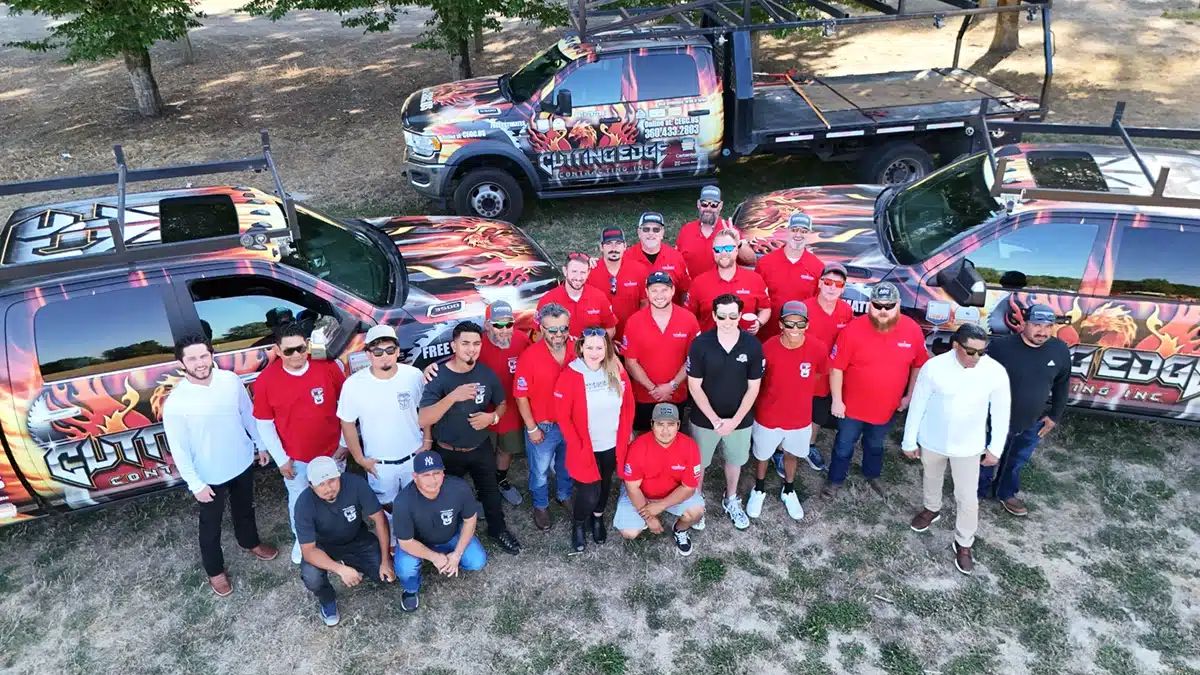
Let Cutting Edge handle the roof and the documentation.

Trusted by Pacific Northwest Homeowners

When winter storms hit, homeowners want clear answers, not pressure.

roof experts

They want professionals who:

  • Explain what’s happening inside the roof system, not just what’s visible
  • Document real storm damage, not assumptions
  • Fix problems at the source, not temporary symptoms
  • Understand Pacific Northwest winter conditions and how roofs fail here

With over 25 years of experience and 500+ five-star reviews, this approach is built around real-world winter damage, not sales tactics.

Homeowners leave inspections knowing exactly what was found, what needs attention now, and what can wait, so decisions are based on facts, not fear.

What to Expect From a Storm Damage Inspection

Here’s how it works:

  1. A licensed roofing professional evaluates storm-related damage caused by wind, rain, or debris
  2. Common winter failure points are inspected closely, including flashing, vents, valleys, and seal lines
  3. Findings are documented with photos so you can see exactly what was found
  4. Repair options are explained based on actual roof conditions, not assumptions
  5. Insurance-ready documentation is available if the damage supports a claim

After the inspection, you’ll understand:

  • Whether storm damage is present
  • If repairs are needed now or can wait
  • What next steps make sense for your home

No pressure. No guessing. Just clear information you can act on.

roof damage service

Storm Damage Doesn’t Always Announce Itself

In winter, moisture spreads quietly.
What looks minor today can become a much larger repair by spring.

Whether you’re dealing with an active roof leak, fallen tree damage, wind-driven rain, or checking your roof after a recent storm, the most important step is understanding what’s happening inside the roof system before damage spreads further.

Early inspections help prevent unnecessary repairs and give homeowners clear options, without pressure.

Insurance-Ready Inspections Available
Clear documentation. No pressure to file a claim.