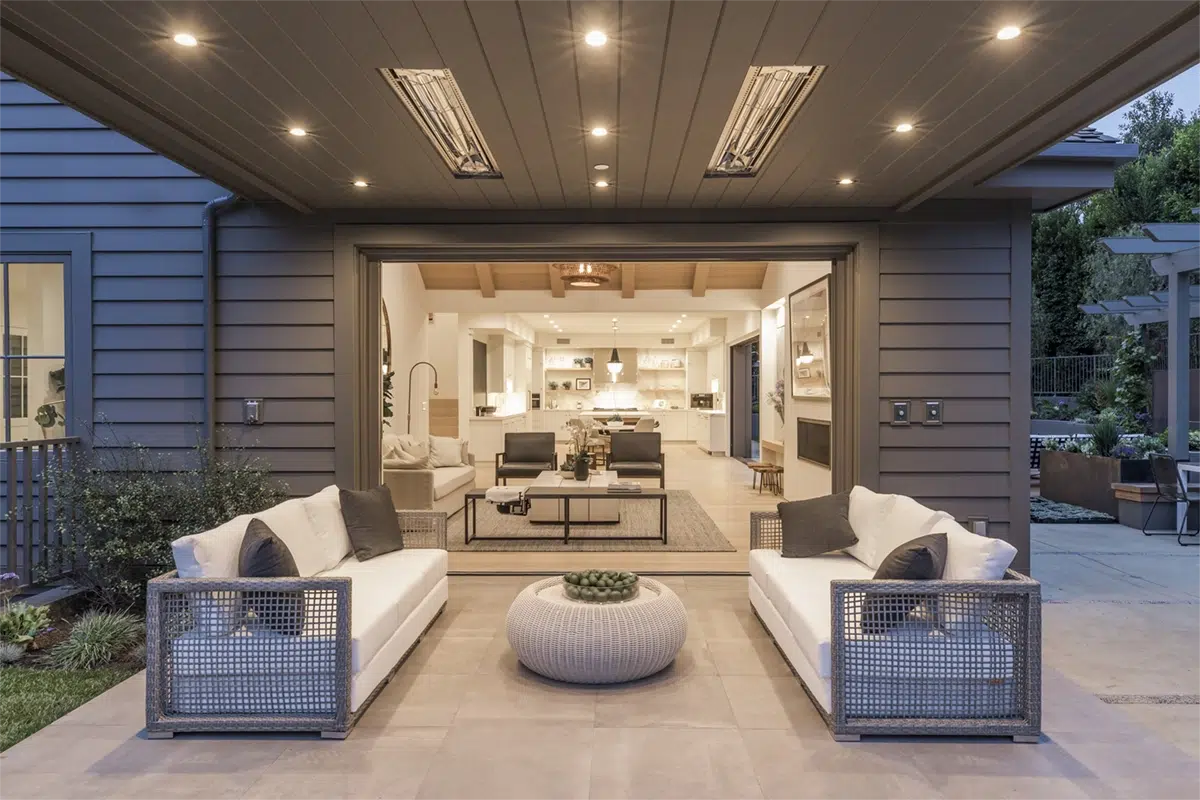
Full Remodel Planning Guide for Portland & Vancouver Homes in 2026

by | Jan 28, 2026

Full Remodel Planning

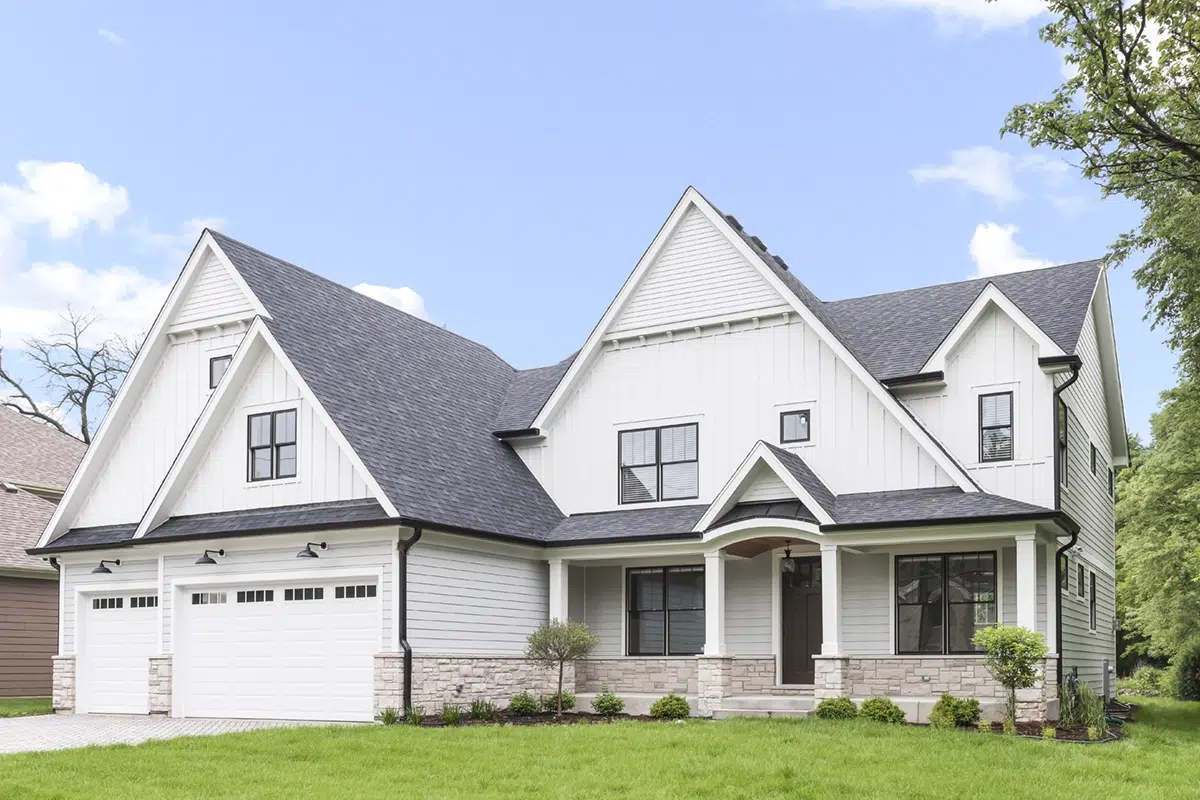
Planning a full exterior remodel in 2026? This step-by-step guide walks Portland and Vancouver homeowners through budgeting, design, permitting, and project management to maximize your ROI and curb appeal.

How To Plan Your Home Remodel in 2026

Remodeling your home’s exterior is one of the biggest decisions you’ll make, both in cost and personal impact. For homeowners looking to remodel in 2026, careful planning is especially important because of rising material prices, limited contractor availability, and evolving buyer expectations in the Pacific Northwest.

Without a clear roadmap, remodels can quickly face delays, budget overruns, or disappointing results. On the flip side, proper preparation allows you to maximize ROI, increase your home’s resale value, and enjoy a smoother process overall. This guide walks Portland and Vancouver homeowners through each step of planning an exterior remodel: from defining goals to final inspections, so you can approach your project with confidence.

 
Ready to start planning your remodel? Schedule your free consultation with Cutting Edge Contracting and get a customized remodeling roadmap.
closeup-siding-detail-portland-home

Step 1: Define Your Goals & Priorities

Before choosing materials or calling contractors, clarify what you want your remodel to achieve. Homeowners often fall into three categories: those remodeling for resale, those upgrading for long-term comfort, and those seeking a mix of both. By defining your goals, you’ll be able to prioritize which projects deliver the most impact for your situation.

Key Questions to Ask Yourself:
  • Am I selling in the next 12–18 months or staying for 10+ years?
    If selling soon, focus on highly visible, quick-return projects like siding or garage doors that maximize curb appeal and ROI. If staying long-term, prioritize durable upgrades such as roofing or energy-efficient windows that deliver comfort and reduced upkeep for decades.
  • Which matters more right now: ROI, energy efficiency, or aesthetic appeal?
    Homeowners motivated by ROI should lean toward siding, doors, and garage doors, while those prioritizing efficiency will benefit most from windows and insulation-focused upgrades. If aesthetics matter most, color palettes, trim, and design trends can completely transform your home’s personality.
  • Do I want one dramatic transformation now, or phased upgrades over time?
    Bundling multiple projects together creates the most dramatic change and can save significantly on labor and permitting fees. However, phasing projects allows for better budget control, as long as they’re sequenced properly to avoid rework.

PNW Tip:

f selling soon, prioritize projects like garage doors, entry doors, or siding that show visible impact. If staying long-term, invest in durable roofing and energy-efficient windows that save money and prevent future repairs.

closeup-siding-detail-portland-home

Step 2: Set a Realistic Budget

Budgeting is the foundation of your remodel. In 2026, most full exterior remodels in Portland and Vancouver fall between $30K–$90K, depending on materials, labor, and project scope. While it’s tempting to focus only on upfront costs, keep in mind that better-quality materials often pay for themselves in reduced maintenance and stronger resale ROI. Setting a budget early also helps avoid sticker shock once contractor bids start coming in.

 
Cost Snapshot (2026, Portland/Vancouver):
Project
Roof Replacement
Siding Replacement
Windows
Doors (Entry/Gar.)
Average Cost
$15K–$25K
$40K–$60K
$20K–$40K
$4K–$10K
ROI % (Resale)
60–75%
70–90%
60–75%
90–105%
Lifespan
20–70 yrs
20–50 yrs
20–40 yrs
20–30 yrs

Tips for Budgeting Smarter:

  • Gather at least 2–3 quotes for accuracy and to compare scope.
    Getting multiple quotes ensures you’re not only comparing price but also the scope of work, warranties, and materials offered. This helps avoid underbidding surprises and provides leverage for negotiating better terms with your chosen contractor.
  • Set aside 10–15% of your budget as a contingency for weather delays or hidden repairs.
    Unexpected issues like rotted sheathing, outdated wiring, or extended rainy weeks are common in the PNW. Building in a contingency keeps your project on track financially without stressful last-minute compromises.
  • Explore financing tools like home equity loans, contractor financing, and rebate programs.
    Financing makes larger projects more manageable and allows you to select higher-quality materials with stronger ROI. Local rebate programs for energy-efficient upgrades can further reduce upfront costs and improve long-term savings.

PNW Tip:

If both roof and siding need replacement, bundle them into one project. You’ll save money on mobilization, permitting, and overall labor costs.

Step 3: Research Design & Materials

Choosing the right design and materials determines both the longevity of your remodel and its curb appeal. In the Pacific Northwest, constant moisture and moss means homeowners must strike a balance between style and durability. Materials that look amazing but can’t withstand damp weather may become costly mistakes. Researching ahead helps you pick finishes that add value now and remain appealing for decades.


Popular Material Choices for the PNW (2026):

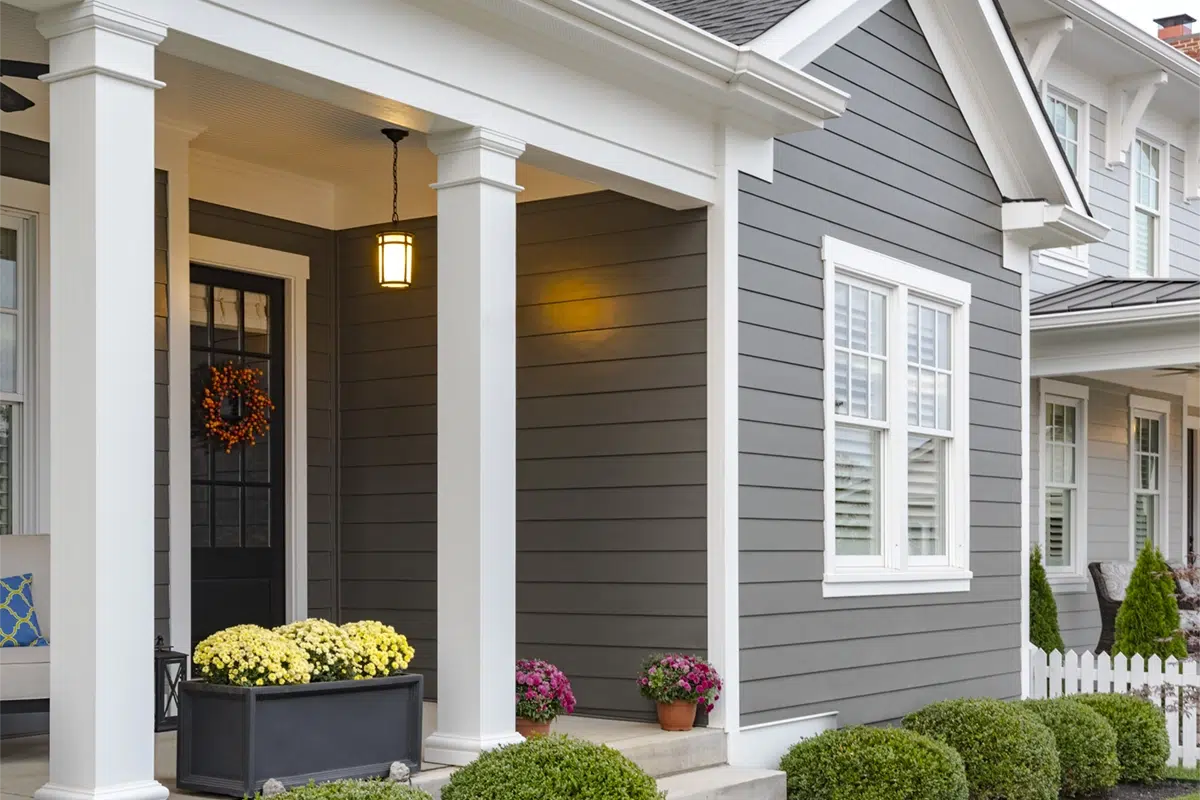
  • Siding: Fiber cement is the ROI leader thanks to its rot and insect resistance. Cedar siding offers timeless warmth but requires frequent upkeep.
  • Roofing: Asphalt shingles remain affordable, while architectural shingles add depth and metal roofing delivers unmatched durability and sleek aesthetics.
  • Windows: Fiberglass frames withstand moisture and allow large glass areas, while wood-clad windows offer premium charm for historic or craftsman homes.
  • Doors: Steel entry doors maximize ROI and security, while fiberglass options mimic wood’s style without the maintenance.

Pro insight:

Choose timeless colors and materials for major surfaces like siding and roofing. Then update smaller elements such as trim, lighting, or house numbers to follow design trends.

closeup-siding-detail-portland-home

Step 4: Understand Permits & HOA Rules

Permits are often overlooked, but they’re a critical part of planning. In Portland and Vancouver, exterior projects like roofing, siding, and window replacements often require permits, especially if structural changes are involved. Failure to obtain permits can delay your project, lead to fines, or even complicate future home sales. If you live in an HOA neighborhood, material choices and color schemes may also be restricted.


  • Roof replacements (especially structural changes)
    Most roof replacements require permits to ensure the structure meets local codes and safety standards, particularly if changing pitch or materials. This step protects homeowners from inspection issues and ensures warranties remain valid.
  • Siding replacements
    New siding often requires permits because it impacts fire resistance, energy efficiency, and exterior safety standards. In Portland and Vancouver, inspections also confirm moisture protection and flashing details are properly installed.
  • Enlarging or replacing windows and doors
    Changing window or door openings alters your home’s structure, can require a permit. Proper permits also guarantee that the installation meets modern energy codes and egress requirements.
  • Deck or porch construction
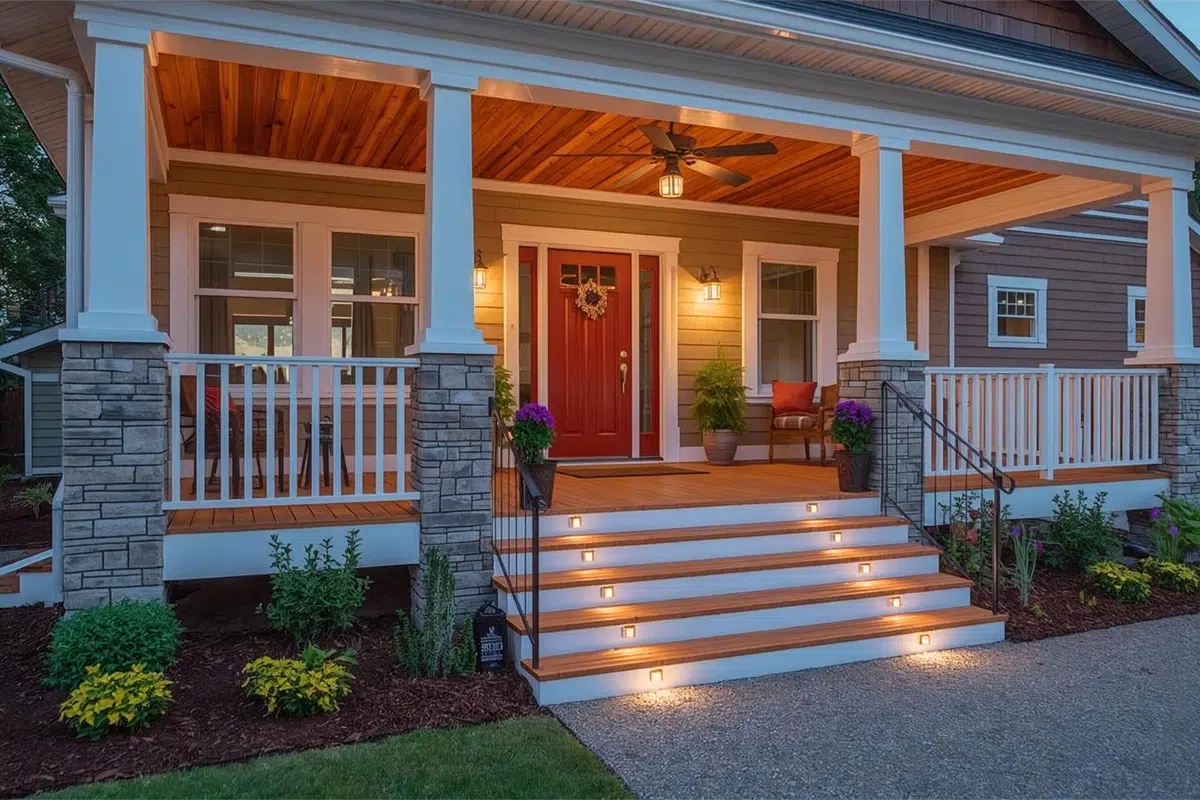
    Adding or replacing a deck or porch often requires permits (depends on the size) to confirm the structure is safe, properly supported, and weather-resistant. These permits also ensure compliance with setbacks, guardrail codes, and foundation requirements.
 
HOA Considerations: Always confirm approved color palettes and siding/roof materials before purchasing. Some HOAs can require pre-approval that adds weeks to your timeline.

PRO Tip:

Select a contractor who handles permitting on your behalf. It can save you weeks of administrative headaches.

closeup-siding-detail-portland-home

Step 5: Create a Realistic Timeline

Timeframes are another critical factor in your remodel plan. Weather is unpredictable in the PNW, and rain delays can extend schedules unexpectedly. Creating a realistic timeline ensures your expectations match the contractor’s availability and the season. Planning early in the year gives you the best chance of avoiding delays and securing competitive bids.

 
Typical Timeframes (2026):
  • Roof Replacement: 3–7 days
    Most roofing projects can be completed within a week, depending on material type and weather conditions. Delays may occur in the PNW due to rain, so scheduling during drier months can shorten timelines.
  • Siding Replacement: 1–3 weeks
    Siding is more time-intensive because it covers the largest surface area of the home. Weather delays, custom trim work, or structural repairs discovered during removal can extend the process.
  • Windows: 2–5 days
    Window replacements are typically quick, with most installations taking just a few days depending on the number of units. Larger or custom windows may take longer, especially if framing adjustments are required.
  • Full Exterior Remodel: 4–8 weeks
    A full remodel that combines roofing, siding, windows, and doors requires several weeks for completion. Timelines depend on scope, permits, inspections, and the coordination of multiple crews.

Pro Insight:

Spring and summer are peak seasons, often booking months in advance. Consider fall for faster scheduling and potential off-season discounts.

Step 6: Choose the Right Contractor

The contractor you choose will make or break your remodel. Beyond price, you need a partner who understands local building codes, communicates clearly, and has proven success in the PNW market. A qualified contractor will help guide your design choices, handle permits, and prevent costly mistakes.

 
Checklist for Choosing Your Contractor:
  • Licensed, bonded, and insured in Oregon/Washington
    Always verify that your contractor is fully licensed, bonded, and insured in the state where the work will be performed. This protects you legally and financially in case of accidents, damages, or project disputes.
  • Strong portfolio of completed projects in your area
    Ask to see before-and-after photos of exterior remodels they’ve done in Portland, Vancouver, or surrounding PNW cities. A local track record shows they understand regional building codes, weather challenges, and design preferences.
  • Detailed written estimates with line-item transparency
    A professional contractor should provide a clear breakdown of labor, materials, and contingencies. This prevents hidden fees and helps you compare bids accurately between multiple companies.
  • Warranties clearly stated in writing
    Look for both manufacturer warranties on materials and workmanship guarantees from the contractor. Having warranties in writing ensures accountability and peace of mind if problems arise later.
  • Solid online reviews and testimonials
    Check reviews on Google, Houzz, and the Better Business Bureau for consistency across multiple clients. Testimonials and references give you insight into reliability, communication, and overall customer satisfaction.

PNW Tip:

Ask how they address moss growth, algae resistance, and waterproofing. These are key performance factors in Portland and Vancouver.

Step 7: Plan for Living During the Remodel

Remodeling your home’s exterior can be disruptive, but preparation minimizes the stress. Crews, equipment, and noise are unavoidable, but knowing what to expect will make the process more manageable. Discuss the daily work schedule with your contractor so you know when to anticipate noise or restricted access.


What to Expect:

  • Loud noise during roofing or siding removal
    Roofing and siding replacement involve hammers, saws, and nail guns, which can create constant noise throughout the day. It’s best to plan for quieter activities away from home or prepare noise-canceling options if you’re working from home.
  • Temporary dumpsters or debris piles on-site
    Most contractors will place dumpsters in your driveway or near the curb for efficient cleanup. Expect some clutter during the project, but reputable companies manage debris daily to minimize hazards.
  • Driveway and garage access blocked
    Because crews often need space for materials and equipment, your driveway may be partially or fully blocked. Planning alternate parking arrangements ahead of time avoids daily inconvenience.
  • Short-term power or water interruptions
    Some projects may require brief shutoffs to safely replace electrical fixtures, install windows, or connect new systems. These interruptions are usually short but worth planning around to avoid surprises.

Homeowner Prep Tips:

  • Move vehicles off-site before work begins
    Keeping cars off the driveway prevents accidental damage from falling debris or equipment. Park vehicles on the street or in a neighbor’s driveway with permission during active construction.
  • Protect landscaping with tarps and plywood barriers
    Contractors may cover shrubs or lay boards over grass, but adding extra protection ensures plants and hardscaping stay intact. This small step can prevent crushed greenery or costly landscape repairs after the project.
  • Set up routines for pets and children to minimize disruption
    Construction noise and activity can stress pets and pose safety risks for kids. Plan safe indoor areas, daycare, or off-site arrangements during the most intensive phases of work.

Step 8: Inspect & Protect Your Investment

The remodel isn’t complete until you’ve inspected the work. A final walkthrough with your contractor ensures every detail meets your expectations. This is also the time to gather warranty documents and learn how to maintain your upgrades for maximum lifespan. Proper follow-up ensures your remodel continues delivering a return on your investment well into the future.

Post-Remodel Checklist

  • Confirm warranties are documented and transferable
    Always request written copies of all material and workmanship warranties before closing out the project. If you plan to sell your home, transferable warranties can be a powerful selling point that reassures future buyers.
  • Take before-and-after photos for resale value proof
    Documenting your remodel visually not only highlights the transformation but also provides proof of recent upgrades during resale. These photos can be used in real estate listings or insurance claims to demonstrate the quality of work.
  • Schedule annual siding/gutter cleanings to prevent damage
    Exterior remodels look their best and last longer with consistent upkeep, especially in the damp PNW climate. Annual cleanings prevent moss buildup, clogged gutters, and early wear that can shorten the life of your investment.

Pro Insight:

Homes with documented warranties and maintenance records tend to sell faster and above asking price.

closeup-siding-detail-portland-home

Step 9: Maintenance Plan After Remodeling

  • Siding Care
    Inspect your siding annually for cracks, gaps, or mildew buildup that could allow moisture inside. For fiber cement, a gentle rinse with a garden hose is usually enough, while cedar siding will require sealing or staining every 3–5 years to preserve curb appeal and durability.
  • Roofing Maintenance
    Roofs in the PNW should be inspected at least once a year for moss growth, loose shingles, or clogged valleys. Applying moss treatments and keeping overhanging branches trimmed can add years of life to your roof and prevent costly leaks.
  • Window & Door Upkeep
    Check caulking and weatherstripping around windows and doors every season to ensure a tight seal. Cleaning tracks, lubricating hinges, and resealing wood-clad windows will maintain efficiency while keeping your home looking polished.
  • Gutter & Drainage Checks
    Clean gutters twice a year to prevent overflow that can stain siding or damage foundations. Ensure downspouts extend 3–5 feet away from your home to keep water from pooling near siding and landscaping.
  • Seasonal Refreshes
    Small updates like repainting trim, refreshing landscaping, and upgrading exterior lighting every few years keep your remodel looking sharp. These updates extend the life of your home.

FAQ: Planning Your Remodel in 2026

How much does a full exterior remodel cost in Portland/Vancouver?

Most projects range between $30K–$90K, with siding or roofing alone typically costing $15K–$45K. The final price depends on materials, scope, and finishes, as well as labor availability and seasonal demand.

Should I do all projects at once or phase them out?
If your budget allows, completing everything together saves money on labor, permitting, and reduces overall disruption. If phasing is necessary, roofing should always come before siding to avoid damage during installation.
Do I need permits for every project?
No. Many projects do not require permitting. Projects requiring structural changes often require permits. A licensed contractor will typically handle this process for you, ensuring compliance with city and county codes.
What adds the most resale value?
Garage doors, siding replacements, and entry doors consistently deliver the highest ROI in Portland and Vancouver. These projects improve both functionality and curb appeal, making them top priorities for resale readiness.
Can I finance without home equity?
Yes, contractor financing and personal loans are widely available for homeowners who don’t want to borrow against equity. These options provide flexibility and quick approval, making them especially helpful for urgent projects.
How long will my remodel last?
Fiber cement siding can last 40+ years, metal roofs up to 70, and fiberglass windows 30–40 years with proper care. Longevity is strongly influenced by maintenance practices and the use of PNW-ready materials.
When’s the best time to remodel?
Spring and summer are the busiest seasons, often with longer wait times and higher costs due to demand. Fall often provides shorter timelines, competitive pricing, and cooler weather that benefits installation.

Plan Smart, Remodel Confidently

A full exterior remodel in Portland and Vancouver requires smart planning, clear goals, and trusted expertise. By following each step, from defining priorities and budgeting to choosing materials and contractors, you can enjoy a smooth process that delivers both beauty and return on investment. The smartest homeowners plan early, bundle projects when possible, and invest in durable materials suited to the PNW climate.


Book your free full remodel planning consultation with Cutting Edge Contracting today and get a tailored 2026 remodeling roadmap for your home.