Front Porch Renovation in Portland & Vancouver: 2026 Guide
Planning a front porch renovation in Portland, OR, or Vancouver, WA? From renovation costs and construction timelines to permits and weather-resistant materials, here’s what homeowners need to know before giving their entryway a serious upgrade.
Why Front Porches Matter in the PNW
Front porch design isn’t one-size-fits-all in the Pacific Northwest. A covered entryway on a Craftsman home in Portland may call for different materials and structural details than a modern front porch in Vancouver, Camas, or Ridgefield. From roof integration and drainage to decking, railings, and trim, the best renovation plan starts with your home’s architecture, existing conditions, and how you want to use the space.
A front porch sets the tone for your home. It’s where curb appeal meets everyday comfort, welcoming guests, offering shade, and adding character year-round. In the Pacific Northwest, a well-designed porch does even more. A covered front porch provides shelter from heavy rain, helps reduce direct moisture exposure around your entryway, and creates a comfortable outdoor space for relaxing or welcoming guests. Whether you add seating, lighting, or seasonal decor, your porch becomes a functional extension of your home that enhances both comfort and curb appeal.
A thoughtfully designed front porch can improve everyday functionality, boost curb appeal, and make your home more attractive to future buyers. The actual return depends on the project’s cost, design, and local housing market.
Your front porch deserves more than a quick facelift. Schedule your Free Project Planning Meeting with Cutting Edge Contracting and build a plan for an entryway that looks great and stands up to Pacific Northwest weather.
How Long Does a Front Porch Renovation Take?
Many front porch renovations can take approximately two to four weeks once construction begins, depending on the size, structural work, materials, and weather conditions. Larger projects or those requiring permits may take longer.
- Minor updates (paint, railings, or new steps): These typically take 1–2 weeks and cause minimal disruption. While the upgrades are smaller in scale, they can still dramatically refresh curb appeal.
- Moderate projects (flooring replacement, partial covering): Expect 2–3 weeks, with weather potentially extending timelines. These projects add function while keeping budgets manageable.
- Full rebuilds with roofing/stonework: A major renovation can last 3–4+ weeks. These are transformative projects that completely redefine the entryway but require more planning and permitting.
PNW Insight: Rain doesn’t automatically put construction on hold. With the right planning, materials, and weather protection, many exterior projects can continue throughout the Pacific Northwest’s wet season. Severe weather and unsafe conditions may still affect the schedule.
How Much Does a Porch Renovation Cost in 2026?
Budgets vary widely, and based on our own internal estimates most homeowners in the PNW spend $12K–$55K depending on size, features, and materials.
Porch Cost Snapshot (Portland & Vancouver, 2026)
| Project Type | Estimated cost range* | What may be included |
|---|---|---|
| Small Porch Refresh (paint, railings) | $5,000-$10,000 | Painting, railing updates, minor improvements |
| Standard porch renovation | $12,000–$25,000 | Surface replacement, steps, railings, selective repairs |
| Covered porch addition | $20,000–$55,000+ | New roof structure, columns, structural work, custom features |
*Illustrative ranges from the draft, not independently verified market pricing. Confirm with CEC project estimates before publication.
Front porch renovation costs in Portland and Vancouver depend on more than square footage. Existing structural conditions, foundation requirements, roofing integration, material choices, permits, and the complexity of the design can all influence the final price. That’s why Cutting Edge starts with a project plan tailored to your home instead of a one-size-fits-all estimate.
Smaller updates are perfect for resale preparation, while covered additions are lifestyle-driven upgrades that significantly enhance both usability and property value.
Do You Need a Permit for a Front Porch Renovation in Portland or Vancouver?
Not always. Some porch renovations in Portland and Vancouver require permits, especially when structural or electrical work is involved. Permits ensure that your project meets safety codes, avoids legal issues, and protects resale value by providing proper documentation.
- Adding or enlarging a porch roof: New roof structures or changes to existing rooflines often require building permits, particularly when structural supports or connections to the home are involved. Requirements vary by jurisdiction and project scope.
- Changing foundations or footings: Altering the base of the porch requires inspections to confirm it can safely carry weight and resist shifting soil. In the Pacific Northwest, where ground moisture is common, proper foundations are critical to long-term stability.
- Expanding the porch footprint: Enlarging a porch may trigger building permit, zoning, setback, or site-review requirements. Homeowners should confirm applicable regulations before construction begins.
- Electrical or lighting installation: New electrical circuits, wiring, and fixtures may require electrical permits and inspections, depending on the work involved and applicable local regulations.
- Local official permitting resources include the Portland Bureau of Development Services and City of Vancouver.
Pro Insight: Partnering with a licensed contractor simplifies the process since they typically handle all permitting and inspections on your behalf, preventing costly delays or fines.
What Porch Designs Work Best in the Pacific Northwest?
Covered porches dominate in the PNW because they’re both functional year-round and effective at protecting against constant rain, moss, and UV exposure. A well-designed porch in this region balances durability, safety, and aesthetics to withstand the climate while enhancing curb appeal.
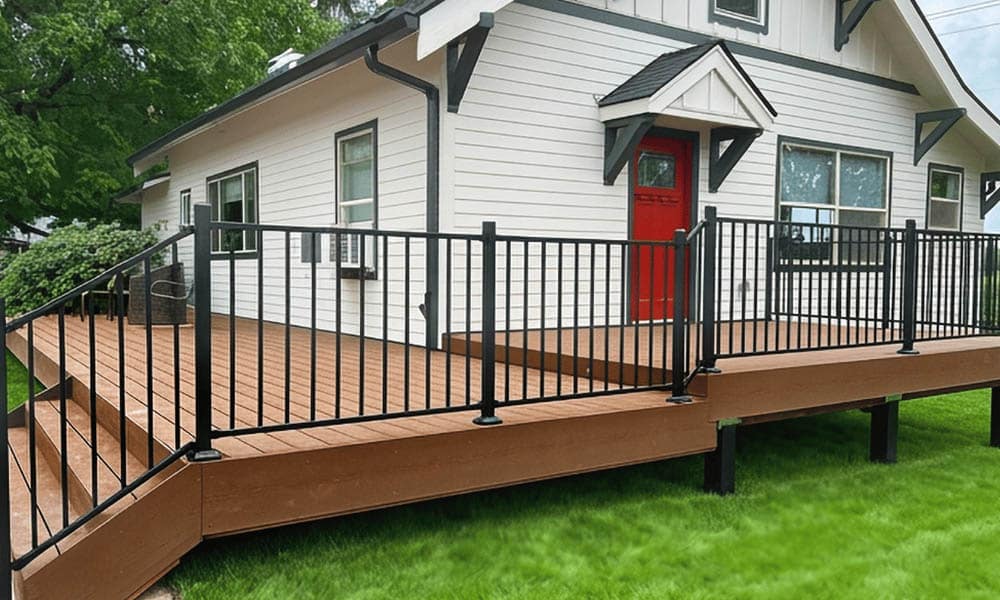
- Composite decking: Composite decking offers strong moisture resistance and generally requires less routine maintenance than traditional wood. Slip resistance varies by product and surface texture, so choosing the right material is especially important for rain-exposed entryways.
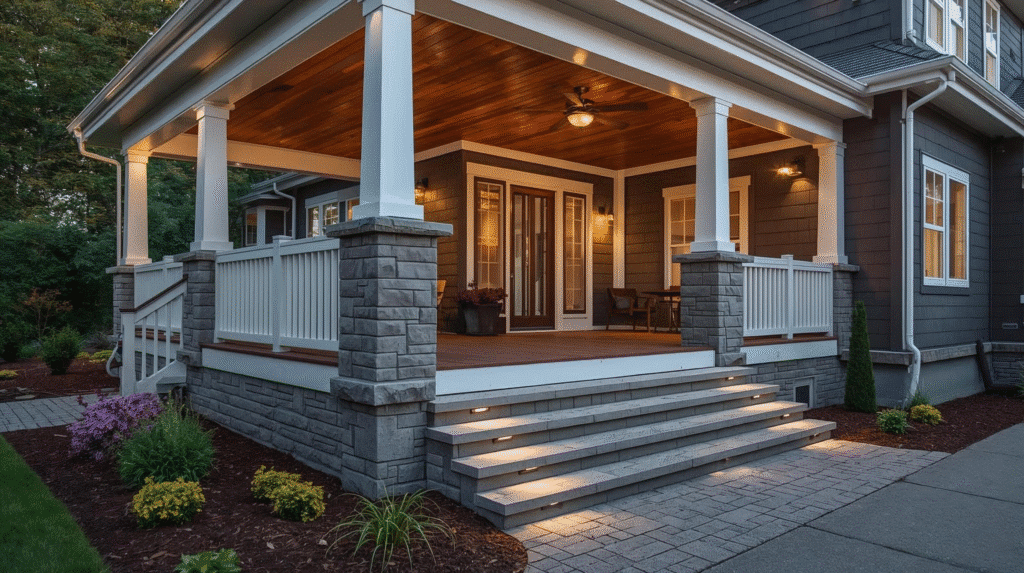
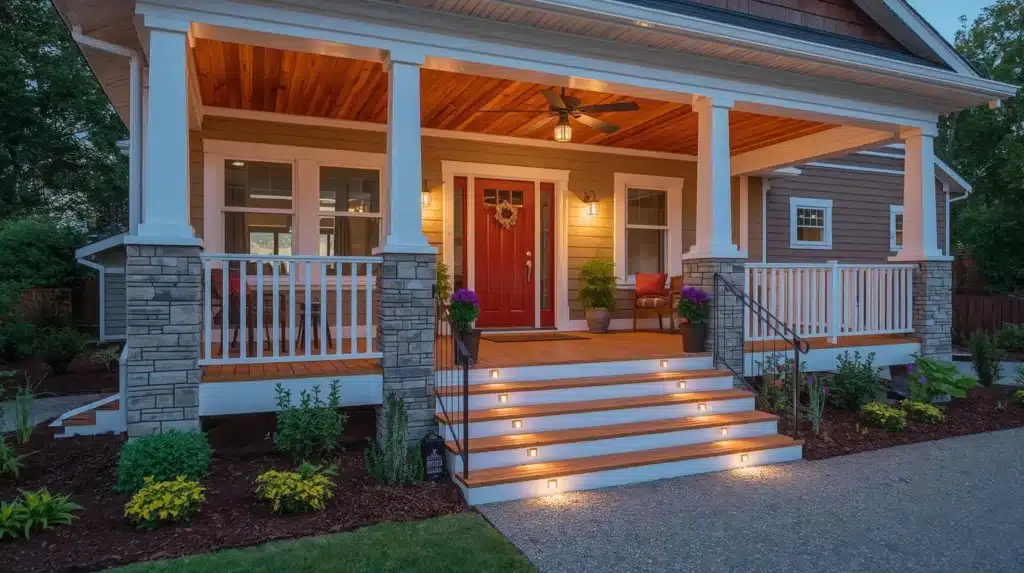
- Stone bases or columns: Stonework adds architectural character and a timeless, premium look that pairs well with craftsman or modern homes. Beyond aesthetics, properly installed stone or masonry accents can provide lasting durability and architectural character. However, adequate foundations, drainage, and installation methods are essential to minimizing cracking and movement.
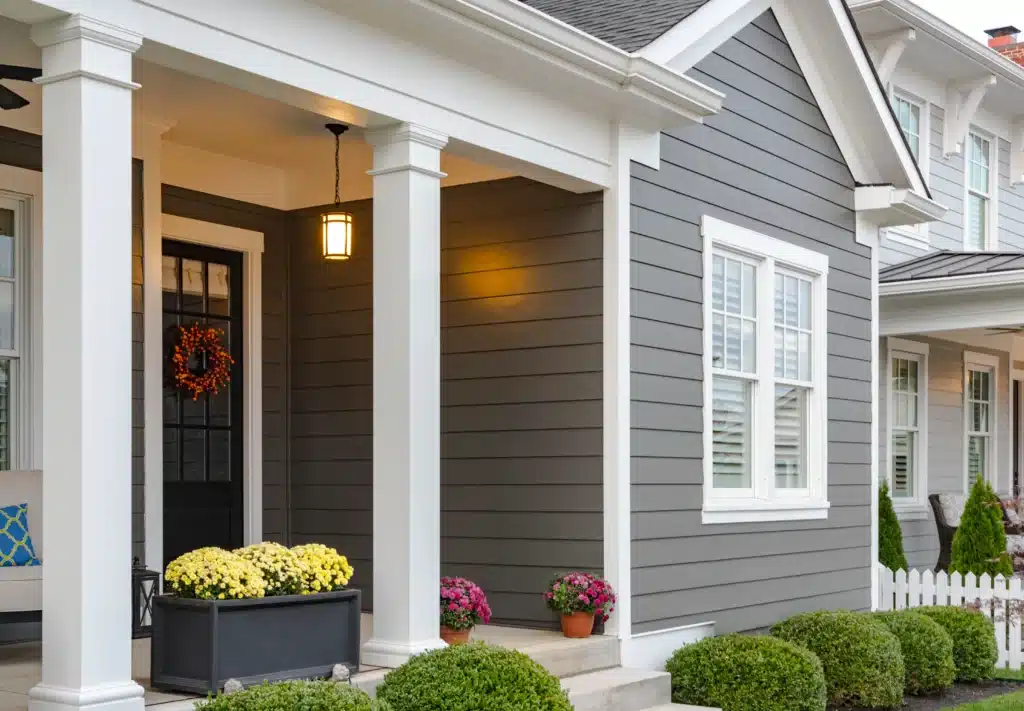
- Fiber cement trim: Unlike wood, fiber cement trim is designed to resist many moisture-related problems associated with traditional wood, making it a practical option for properly detailed exterior applications in the Pacific Northwest. It also holds paint exceptionally well, which reduces repainting cycles and keeps porches looking crisp for longer.
- Wide steps and lighting: Wider steps make entryways safer by providing more stability in slippery conditions, while integrated lighting improves visibility after dark. Together, they add both functionality and curb appeal, ensuring your porch looks inviting day and night.
PNW Tip: Always choose materials rated for damp climates and pair them with proper drainage design to extend the life of your porch investment.
What Materials Deliver the Best ROI?
In the Pacific Northwest, material selection is crucial because of constant rainfall, moss growth, and temperature swings. Choosing products that balance durability with visual appeal ensures a stronger return on investment and long-term satisfaction.
- Fiber Cement Trim: This material holds paint significantly longer than wood, cutting down on repainting cycles and maintenance costs. Its resistance to rot and moisture damage makes it especially well-suited to the PNW, where damp weather is the norm.
- Composite Decking: Composite boards are long-lasting, slip-resistant, and require far less upkeep than natural wood. Their durability in shaded, rain-heavy areas translates into fewer repairs and higher long-term ROI.
- Metal/Fiberglass Railings: Unlike wood, metal and fiberglass railings resist rot, rust, and warping, even in constant moisture. They also add a clean, modern aesthetic that boosts curb appeal and attracts buyers looking for low-maintenance features.
- Natural Cedar: Natural cedar brings warmth, texture, and timeless character to front porches, particularly on Craftsman-style homes. Cedar typically requires more maintenance than many composite alternatives. Cleaning, inspections, and periodic refinishing help preserve its appearance and protect it from moisture-related deterioration, which means ROI depends on consistent upkeep over decades.
Pro Insight: For the best balance of curb appeal and ROI in the PNW, homeowners often mix materials, pairing low-maintenance composites with cedar accents for character.
How Do Porches Impact Curb Appeal and Resale Value?
A front porch does more than frame your entry. It shapes how buyers perceive your home from the street and adds usable space that increases its overall worth. In Portland and Vancouver, where outdoor living and weather protection are highly valued, a thoughtfully designed porch can elevate both aesthetics and market appeal.
- ROI Range: A well-designed front porch can improve curb appeal and strengthen a home’s appeal to potential buyers. However, resale returns vary considerably depending on the local market, renovation scope, and overall project cost, making them a smart investment that improves both everyday usability and long-term resale.
- Buyer Appeal: Buyers in Portland and Vancouver consistently prioritize covered porches because they provide usable outdoor space even during rainy months. A functional porch signals year-round enjoyment, making homes stand out in a competitive market.
- Curb Appeal Boost: A thoughtfully designed porch creates the perception of a larger, more inviting home, which directly improves first impressions. When buyers see a well-maintained porch, they associate it with overall property care, often translating into stronger offers.
Pro Tip: Adding small design touches like stone columns, wide steps, or modern lighting can elevate a porch from functional to unforgettable in buyers’ eyes.
What Features Make a Porch More Functional?
A functional porch blends comfort with purpose. In the Pacific Northwest, that means choosing features that stand up to rain, extend outdoor living, and make the space usable year-round. Covered roofs, weather-resistant materials, lighting, and seating are just the beginning.
- Built-in LED Lighting: Integrated LED fixtures improve safety by keeping walkways and steps visible after dark. They also add ambiance while being energy-efficient, reducing long-term utility costs.
- Ceiling Fans or Heaters: Properly selected fans and heaters can make a covered porch more comfortable across multiple seasons. Choose equipment rated for the installation location and follow electrical and clearance requirements.
- Outdoor Electrical Outlets: Weather-resistant, properly protected outlets make it easier to power seasonal lighting, devices, and approved outdoor equipment. Plan electrical needs early so outlets can be integrated into the porch design.
- Built-in Benches, Planters, or Storage: Features like integrated seating or planter boxes add both visual appeal and everyday function. They maximize space for families or entertainers, turning the porch into a comfortable and practical gathering area.
PNW Pro Insight: Combining lighting with storage or seating creates multi-functional porches that look polished while supporting daily living and considering fitted stair dimensions, handrails, and water drainage will provide an all around exceptional experience.
Can I Finance a Front Porch Renovation?
Yes, financing is one of the most common ways homeowners in 2026 are managing the costs of porch upgrades in Portland and Vancouver. With several flexible options available, you can choose the plan that best fits your budget and project size.
- Home Equity Loans: Depending on the lender and loan terms, homeowners may be able to finance larger porch renovations through a home equity loan or line of credit. Rates, repayment terms, and eligibility vary.
- Contractor Financing: Some contractors, including Cutting Edge Contracting, offer financing options through financing partners. Available terms and approval requirements depend on the program and applicant qualifications.
Pro Insight: Material prices, contractor availability, and project complexity can all affect renovation costs. Planning early gives homeowners more time to evaluate options, understand their budget, and schedule work around their priorities.
Front Porch Renovation FAQs (PNW Edition)
1. How much does a front porch renovation cost in Portland and Vancouver?
Most porch renovations range from $15K–$40K, depending on size, materials, and features like roofing or railings. Covered porches with composite decking and premium trim are on the higher end, while smaller refreshes fall on the lower end
2. Do I need a permit for a porch remodel?
Not always. Some porch projects require permits, especially when adding roofing, expanding the footprint, or altering foundations. Your contractor should handle the process, ensuring compliance with local building codes.
3. How long does a porch renovation usually take?
Railings may take under 2 weeks, while a new covered porch with electrical work will be closer to 6 weeks.
4. What porch design works best for the PNW climate?
Covered porches dominate in the Northwest because they protect against rain and extend usability year-round. Composite decking, fiber cement trim, and stone accents are especially durable against moss and moisture.
5. Which materials deliver the best ROI?
Fiber cement trim and composite decking consistently outperform wood due to their durability and low maintenance. Natural cedar offers timeless beauty but requires ongoing sealing, making it less predictable for long-term ROI.
6. How does a porch affect resale value?
Porches typically return 60–80% ROI in Portland and Vancouver while making homes more attractive to buyers. The added lifestyle benefit of extra outdoor living space often leads to faster sales
7. Can I finance a porch renovation without home equity?
Yes, contractor financing and personal loans are available for homeowners who don’t want to use home equity. Some local rebates also apply if you use sustainable or energy-efficient materials.
8. What’s the best season to renovate a porch in the PNW?
Spring and summer are the busiest times due to favorable weather, but early fall can offer shorter wait times and contractor availability. Winter projects are possible, but rain delays should be expected.
Planning a Front Porch Remodel in 2026
A great front porch does more than make a good first impression. It welcomes people home, protects the entryway from Pacific Northwest weather, and adds everyday functionality to your exterior. It not only boosts curb appeal but also creates a welcoming, functional space built to handle the PNW’s wet climate. By planning for permits, timelines, and smart material choices, you can achieve a porch that delivers both daily enjoyment and lasting resale value.
Your Front Porch Deserves More Than a Pretty First Impression. Rain. Foot traffic. Deliveries. Muddy shoes. Your front porch takes a beating before anyone even steps inside.
At Cutting Edge Contracting, we build exterior spaces designed to look incredible and stand up to life in the Pacific Northwest. From roofing and structural improvements to decking, railings, and finishing details, our certified in-house crews work together to bring your project to life. One team. One plan. No unnecessary handoffs. Serving homeowners throughout Vancouver, WA, Portland, OR, and surrounding communities.
TAGS