Planning A Roof Replacement in 2025: Roofing costs aren’t what they used to be!
You’re probably seeing price tags that feel higher than expected, and you’re not imagining it. Material prices fluctuate. Labor rates shift. And local regulations? They keep evolving. It’s easy to underestimate the total cost until the invoice lands.
As experienced roofing contractors working with property owners across different markets, one thing is clear: the biggest budgeting mistakes come from ignoring the smaller variables that quietly stack up.
Understanding Roofing Costs
Understanding roofing costs is more than a budgeting exercise; it’s key to protecting your home, avoiding unnecessary expenses, and making the right long-term choices. With labor shifts, material innovations, and evolving building codes, staying informed gives you a major advantage.
Here’s why it matters:
Accurate Budgeting: Roofing costs go beyond shingles. Removal, repairs, underlayment, flashing, ventilation, and permits all factor in. Knowing this helps prevent financial surprises. Knowing this helps prevent financial surprises. You should also consider ongoing maintenance needs, which can vary depending on your region and roofing material.
- Smarter Contractor Comparisons: Some bids leave out essentials like debris removal, warranty coverage, or code-compliant installation. A well-informed homeowner can spot incomplete or misleading quotes.
- Regional Code Requirements: Depending on where you live, building codes may demand impact-resistant shingles, ice barriers, or reinforced fasteners—adding to complexity and cost.
- Climate-Driven Choices: Homes in hurricane zones or cold climates may require tougher, more weather-resistant materials that affect both labor and lifespan.
- Long-Term Value: Energy-efficient or sustainable roofing options may cost more upfront but can reduce long-term utility bills or qualify for rebates.
- Project Control: Understanding every cost component improves communication with contractors, reduces delays, and ensures you get what you’re paying for.
Being informed helps you protect your investment and avoid cutting corners that could cost more later.

8 Factors That Affect Roofing Costs
There’s more to the final price than just square footage or shingles. To get ahead of unexpected costs, it’s smart to start with a ballpark figure. You can use our online roof estimate tool page to enter your roof’s size, material type, and location, giving you a clearer idea of potential expenses before reaching out to contractors.
Understanding what actually drives roofing cost can help you avoid surprises and make more informed budgeting decisions. Let’s explore the core factors that will impact your roofing estimate.
1) Type of Roofing Material
Roofing material plays a key role in determining your home’s overall durability, appearance, and maintenance needs. Asphalt shingles are the most commonly used due to their balance of performance and ease of installation.
Metal roofing offers greater durability and weather resistance, making it ideal for areas with harsh climates. Slate and clay tile provide premium aesthetics and can last a lifetime, though they require skilled installation.
Composite and synthetic options offer a middle ground, balancing longevity, appearance, and reduced maintenance. Your material choice is one of the biggest drivers in the overall cost of roof replacement, especially when considering long-term durability versus upfront expense.
 Longevity and ROI Vary by Material
- Asphalt shingles last 20–30 years.
- Metal roofs last 40–70 years with minimal maintenance.
- Clay and slate tiles often exceed 75–100 years, which can justify their higher upfront cost through longevity and fewer replacements.
2) Roof Size and Design Complexity
Roofing contractors price jobs by the roofing “square,” which equals 100 square feet of coverage. A 2,000 square foot home usually translates to 20 square feet. Properly measuring this unit helps you compare bids on equal terms.
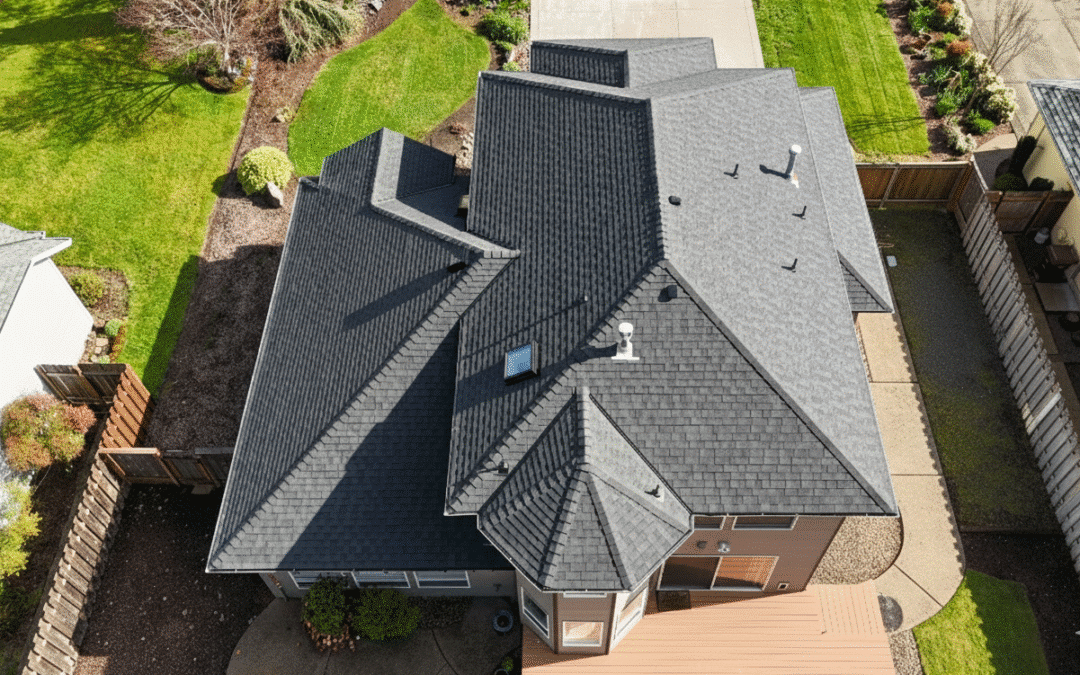
Complex roof designs add labor and material waste. Steep pitches, multiple dormers, skylights, or valleys force installers to work slowly and order extra shingles for cuts. Each added angle increases time on the roof, and ultimately, the average cost to tear off and replace roof structures with high complexity.
This is why it’s essential to get a detailed roofing estimate that reflects not just size but architectural complexity.
3) Labor Costs and Regional Differences
Labor efficiency plays a large role in roofing project timelines. Depending on roof complexity and climate conditions, the time required to complete a job can vary significantly.
Regions with extreme temperatures or frequent storms often demand more robust materials and installation techniques. Additionally, areas with stricter building codes may require more advanced planning, permitting, and inspections, all of which can drive up the cost of roof replacement depending on your location.
4) Roof Removal and Disposal
Replacing a roof begins with tearing off the old material. This step is essential for a clean, safe installation and allows the team to inspect the underlying structure.
During removal, hidden problems like moisture damage, rot, or mold are sometimes uncovered. These issues need immediate attention before the new roof goes on, which can increase the overall cost of roof replacement.
A detailed inspection beforehand can help reduce surprises, but it’s wise to be prepared for any necessary repairs once the decking is exposed.
5) Underlayment, Flashing, and Other Components
A complete roofing system includes several layers beyond shingles. Underlayment serves as a moisture barrier and is essential in protecting your home from leaks, especially here in the Pacific Northwest. In colder climates, enhanced barriers help prevent ice dams and improve water resistance.
Flashing around chimneys, vents, and other roof penetrations prevents water intrusion. Proper attic ventilation, such as ridge and soffit vents, helps regulate temperature and humidity, extending the roof’s life and improving indoor comfort. These components are vital for roof integrity and should not be overlooked during installation.
6) Accessibility and Site Conditions
The ease of accessing your roof can impact the time and resources needed for installation. Single-story homes with open surroundings offer straightforward access for the crew and equipment.
However, steep roofs, multi-story homes, or those with significant landscaping obstacles may require additional setup and safety measures. These conditions can extend project timelines and require additional planning to ensure both safety and quality.
7) Permits, Inspections, and Code Requirements
Roofing projects typically require local permits and inspections to ensure compliance with building codes. Requirements vary by region and may include checks before, during, and after installation.
In areas prone to strong winds or storms, enhanced fastening methods or impact-resistant materials may be necessary. Adhering to local codes ensures your new roof performs as intended and qualifies for home insurance coverage where applicable.
8) Contractor Overhead and Pricing Strategy
When hiring a roofing contractor, you’re paying for more than just materials and labor. A professional quote usually includes:
- Insurance (liability and workers’ compensation)
- Equipment and tool maintenance
- Employee wages and training
- Warranty coverage for labor and materials
Be careful with unusually low bids. These may leave out: Cleanup and disposal, Proper installation methods, Long-term warranties.
Related Posts:
Comparing Popular Roofing Materials
Don’t wait to complete these 4 home improvement projects