2026 Siding Trends: Modern Styles, Bold Colors, and Materials That Elevate Curb Appeal
Trend #1:
Dark & Dramatic Color Palettes
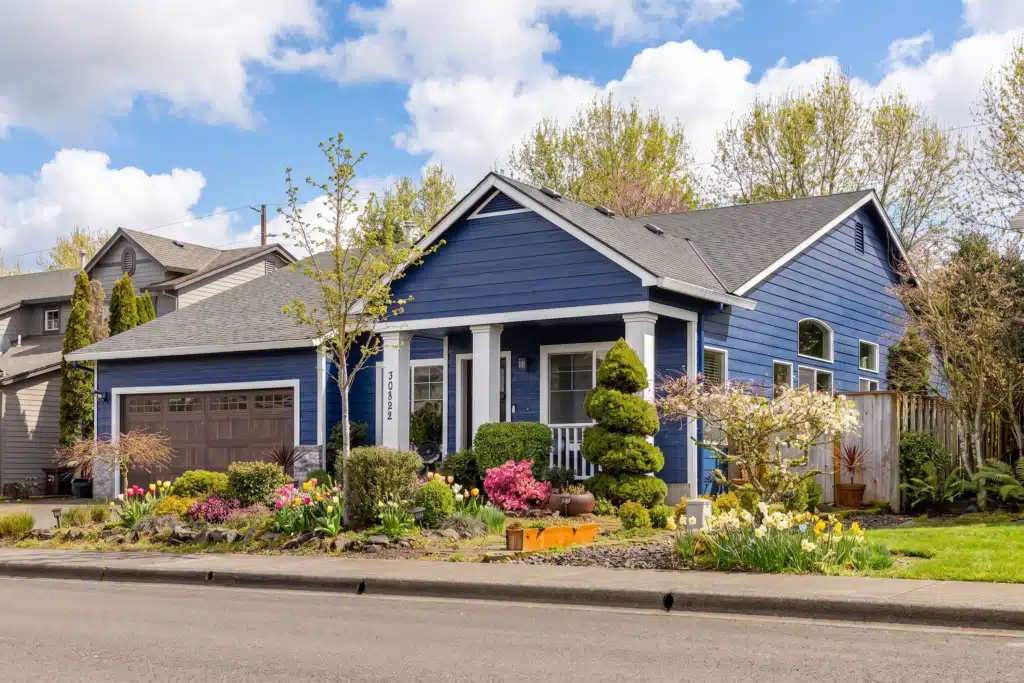
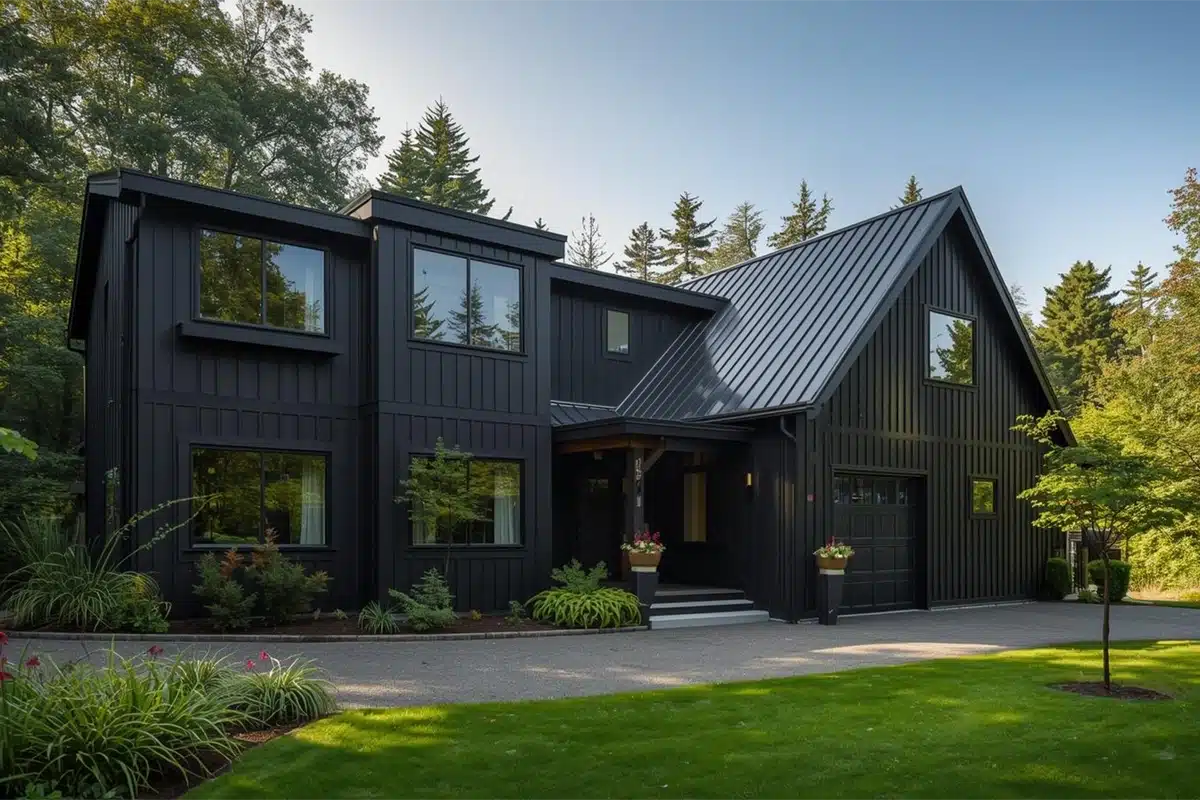
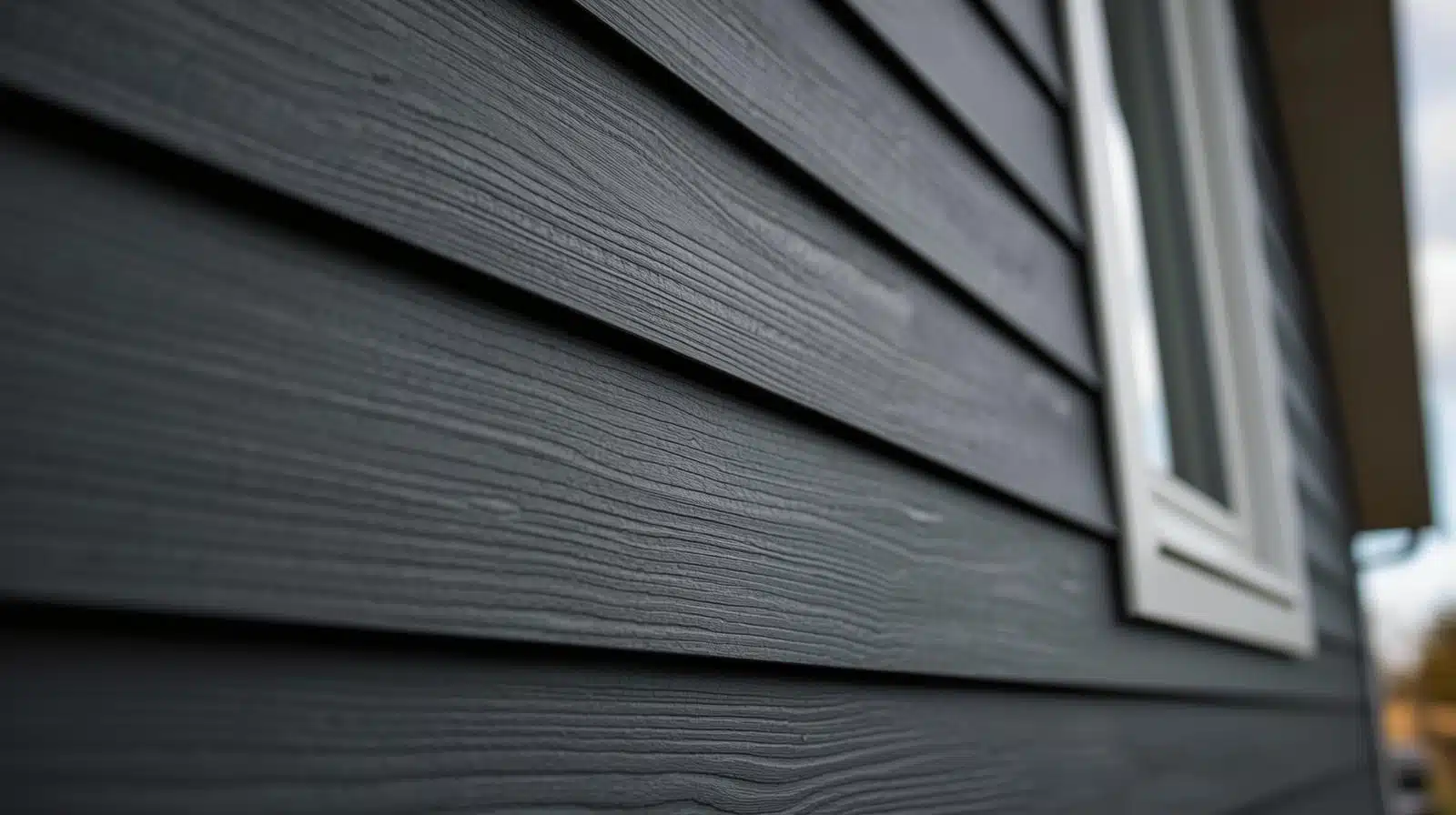
This year, homeowners are moving away from beige and light neutrals in favor of bold, saturated colors. Deep charcoal, navy blues, and forest greens are dominating Northwest neighborhoods in 2026, creating a dramatic contrast against lighter trims. With a multitude of color choices when painting with Sherwin Williams Paint your style is sure to shine through. James Hardie’s ColorPlus® Technology makes these darker shades practical for the PNW by offering fade resistance, ensuring your home stays rich in color even after years of rain and UV exposure.
Popular Dark Color Choices in 2026:
- Charcoal Gray (modern + sleek)
- Deep Navy (coastal yet contemporary)
- Forest Green (natural + timeless in the PNW setting)

Trend #2:
Mixed Materials for Texture & Depth
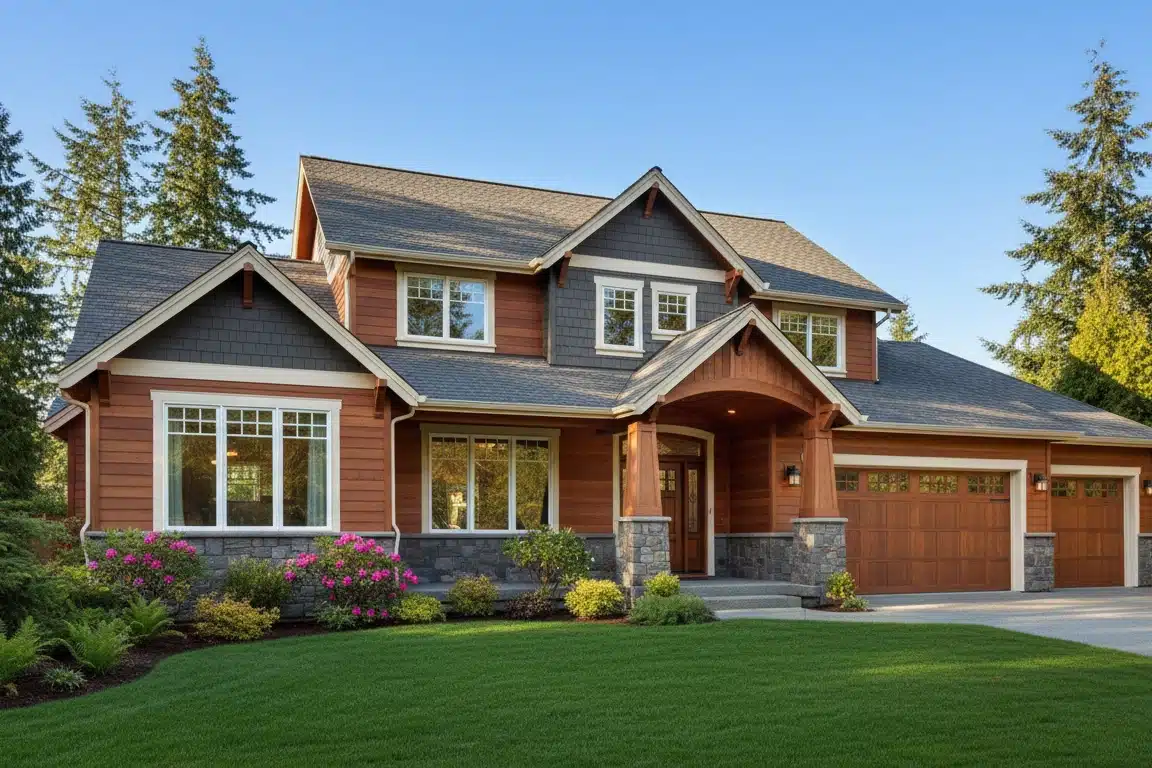
Blending multiple materials on one home is one of the most noticeable design trends for 2026. By combining stone veneer, fiber cement lap siding, and accent panels, homeowners create depth and variety that make a home stand out without overwhelming the design. This layered approach works especially well in the PNW, where natural textures like stone and cedar-look shingles complement the surrounding landscape while fiber cement delivers long-lasting protection.
Guide Gallery: Best Mixes for PNW Homes
- Hardie Plank + Stone Veneer → Modern, upscale curb appeal.
- Vertical Panels + Shingle Gables → Craftsman character with durability.
- Smooth Wide Plank + Metal Accents → Contemporary design with bold contrast.
Localized Case Snapshots
CEC Project Spotlight – Vancouver Home
A Vancouver family upgraded their exterior with James Hardie Iron Gray plank siding combined with stone veneer around the entryway. The bold contrast not only boosted curb appeal but also increased the home’s appraised value by over $40,000.
CEC Project Spotlight – Portland Remodel
In Portland, a mid-century home was modernized with vertical Hardie board-and-batten in Arctic White. The transformation added a fresh, architectural look while staying true to the neighborhood’s character.
Table: Efficiency & ROI Potential
| Siding Choice | Energy Efficiency | Maintenance | ROI Potential |
|---|---|---|---|
| Standard Fiber Cement | Good | Low | High |
| Vinyl Siding | Moderate | Low | Low |
| Engineered Wood | Moderate | Medium | Medium |
| Stone Veneer (Accent Use) | Moderate | Low | High |

Trend #3:
Vertical Profiles & Board-and-Batten Revival
Vertical siding, especially board-and-batten, is making a strong comeback for modern farmhouses and contemporary Northwest homes. The clean vertical lines add height and visual interest, transforming even modest homes into striking designs. With James Hardie’s vertical panel options, homeowners can achieve the look in smooth or textured finishes while enjoying a siding product that stands up to moss, moisture, and seasonal storms.
Maintenance Note
Vertical board-and-batten sheds water more effectively in the PNW, helping siding last longer with less upkeep.
Trend #4:
Energy-Efficient & Sustainable Siding Choices
Today’s siding trends reflect not only style but also the growing demand for energy efficiency and sustainability. More homeowners are turning to insulated underlayments combined with fiber cement siding, which improve efficiency by reducing heat loss and cutting utility costs. In the PNW, this approach means greater comfort, lower heating bills, and siding systems that last longer while reducing environmental impact. A true win-win for homeowners who want both beauty and performance.

Trend #5:
Modern Shingle & Shake Accents
Shingle siding has always carried a timeless charm, but in 2026 it’s being reimagined for modern design. Straight-edge shingles deliver crisp lines that pair well with coastal or craftsman-style homes, while staggered-edge shingles bring rustic character to gables and dormers. Fiber cement shingles are especially popular in the PNW because they mimic cedar without requiring constant sealing, painting, or moss prevention.
Maintenance Note
Fiber cement shingles require minimal sealing compared to cedar shingles, saving homeowners thousands over time
Trend #6:
Wider Planks & Smooth Finishes
Another standout 2026 trend is the move toward wider lap siding profiles with smooth, minimalist finishes. Wider exposures, such as 7″ or 8.25″ Hardie planks, give homes a bold, modern look and fewer lines across the walls for a cleaner appearance. Smooth-finish siding pairs especially well with dark or bold colors, giving homes a sophisticated, contemporary style that balances curb appeal with long-term durability.
Trend Comparison Table
With so many siding styles gaining traction in 2026, it helps to see how they compare side by side. This table breaks down each major trend by its style impact, practicality in the Pacific Northwest climate, and return on investment (ROI) potential, giving homeowners a quick way to weigh both design and performance. Whether you’re drawn to bold colors, mixed materials, or energy-efficient upgrades, this snapshot highlights how each option balances beauty, durability, and value.
| Trend | Style Impact | PNW Practicality | ROI Potential |
|---|---|---|---|
| Dark & Dramatic Colors | Bold curb appeal | Very High (fade-resistant finishes) | High |
| Mixed Materials | Custom, layered look | High (works with fiber cement) | High |
| Vertical / Board-and-Batten | Classic + modern fusion | High (Hardie panels resist rain) | Medium–High |
| Energy-Efficient Options | Long-term savings + eco value | Very High | Very High |
| Modern Shingle Accents | Adds charm & texture | High (fiber cement shingles outperform wood) | Medium–High |
| Wider Planks & Smooth Finishes | Sleek, contemporary | High (James Hardie smooth finishes) | High |
Cost Expectations by Trend
While siding trends drive curb appeal, homeowners also want to know what these upgrades will cost in real-world projects. The following table shows the typical investment range and lifespan for today’s most popular styles in the Pacific Northwest, based on a 2,000 sq. ft. home. This snapshot helps set realistic expectations, showing how each trend balances upfront price with long-term durability.
Cost & Lifespan Snapshot – PNW Market (2,000 sq. ft. home)
| Trend / Material | Typical Cost | Lifespan |
|---|---|---|
| Dark Hardie Color + Trim | $45,000–$65,000 | 40–50 years |
| Mixed Materials (Hardie + Stone) | $55,000–$75,000 | 40–50+ years |
| Vertical Board-and-Batten | $50,000–$70,000 | 40–50 years |
| Modern Shingle Accents | $50,000–$70,000 | 40–50 years |
Future-Proofing Trends
Future-Proofing Your Siding Choices
While bold colors and smooth finishes are trending in 2026, not all design choices age equally. Fiber cement shingles and mixed-material exteriors are considered timeless, maintaining appeal across decades, while ultra-dark blacks or extreme finishes may feel dated more quickly. For homeowners looking to maximize ROI, blending one or two classic design elements with a touch of trend-forward style offers the best balance between modern curb appeal and long-term value.
Common Questions
FAQ: 2026 Siding Trends
1. Are dark siding colors harder to maintain in the Pacific Northwest?
Not with today’s technology. James Hardie’s finish resists fading, chipping, and peeling, even under heavy rain and UV exposure, so homeowners can enjoy bold looks with low maintenance.
2. Can I mix materials like stone veneer and fiber cement on the same house?
Yes, mixed-material designs are one of 2026’s biggest trends. Combining Hardie fiber cement panels with accents like stone or cedar creates contrast, adds curb appeal, and can increase resale value.
3. Does vertical siding (board-and-batten) hold up in windy climates?
Absolutely. When installed with Hardie panels and proper flashing, board-and-batten siding is both visually striking and resistant to strong PNW winds and heavy rain.
4. Will investing in trendy siding colors or styles hurt resale later?
Not if you choose durable, factory-finished products. Dark and bold colors are trending now, but because they’re paired with timeless trim contrasts, they tend to age gracefully and attract buyers in the resale market.
5. Which siding trend adds the most ROI?
Energy-efficient siding options and mixed-material exteriors generally deliver the highest ROI. Buyers today value both aesthetics and performance, making these upgrades stand out in competitive markets like Portland and Vancouver.
Trends With Staying Power in the PNW
While siding trends evolve, the smartest choices balance style, durability, and long-term ROI. In 2026, bold colors, mixed materials, and wider profiles are shaping neighborhoods across Portland and Vancouver, but only when installed with Pacific Northwest conditions in mind. Cutting Edge Contracting helps homeowners take advantage of these trends with James Hardie siding, ensuring homes stay as strong as they are stylish.
Ready to get started?
Ready to give your home a modern refresh?
Schedule your free siding consultation with CEC today and explore the 2026 trends with a team that knows what works in the Pacific Northwest.
TAGS