2026 Top Exterior Siding Options: A Homeowner’s Guide to Style, Durability & Value

by | Feb 11, 2026

Looking to refresh your home’s curb appeal?

Discover the top siding options homeowners in the Pacific Northwest are choosing today, including budget-friendly picks, modern styles, and long-lasting materials.

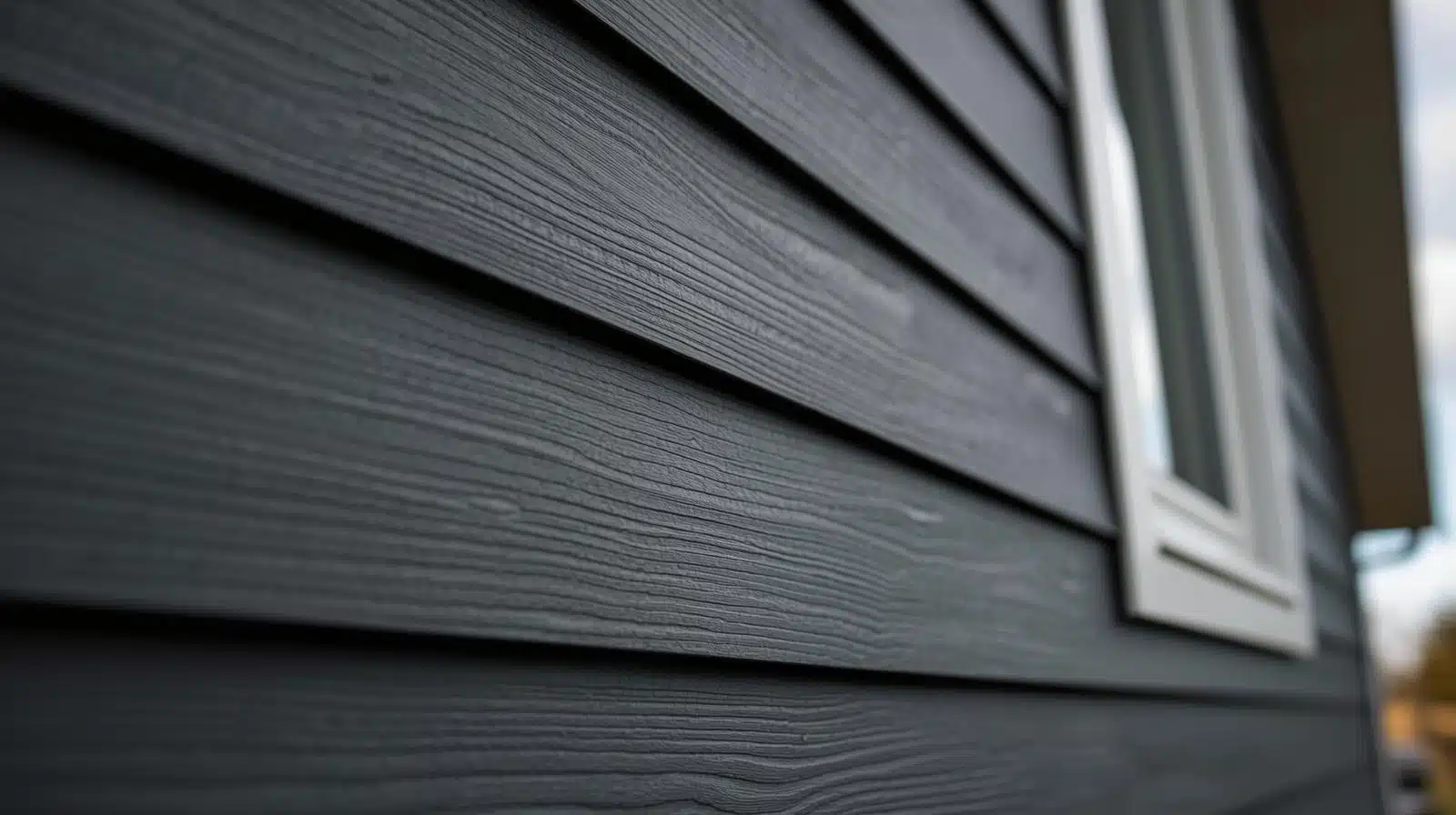
closeup-siding-detail-portland-home

Why Siding Choice Matters

Your home’s siding is one of the first things people notice, and one of the most important defenses against the Pacific Northwest climate. With endless colors, textures, and materials on the market, it can feel overwhelming to know where to start. This guide highlights the top siding options trending right now, showing you the best choices for budget, style, durability, and ROI so you can make the right investment for your home.

Best Overall: Fiber Cement (James Hardie)

Fiber cement siding, especially James Hardie, consistently ranks as the top choice in the Pacific Northwest thanks to its unmatched ability to handle heavy rain, wind, and moss growth. It offers the perfect balance between style and performance, mimicking the look of real wood while avoiding the rot, warping, and insect issues that plague natural materials.

Why it dominates the PNW market:

Fiber cement is engineered to withstand constant moisture, freeze-thaw cycles, and high winds, making it a proven performer in the region’s harsh weather. James Hardie also backs its products with some of the strongest warranties in the industry, giving homeowners peace of mind.

Balance of durability, design flexibility, and ROI:

Unlike vinyl or wood, fiber cement maintains its shape and color for decades while offering a wide range of styles and finishes. This combination makes it a favorite among homeowners who want siding that both looks great and lasts long without constant maintenance.

Best fit:

Fiber cement is ideal for homeowners who want to minimize upkeep while still boosting curb appeal. Its long lifespan and warranty coverage also make it one of the smartest investments for long-term ROI.

home remodel portland or

Best for Modern Homes: Metal Siding

Metal siding has surged in popularity thanks to its sleek, contemporary look and unbeatable durability. Available in steel or aluminum, it provides a crisp, modern aesthetic that stands apart from traditional siding choices.

Why it suits modern architecture:

Metal panels deliver clean lines, bold finishes, and striking curb appeal, making them a perfect match for modern and minimalist home designs. They’re also available in a range of finishes, from matte black to metallic tones, adding architectural depth.

Balance of strength, low maintenance, and style:

Metal siding resists pests, fire, and rot, while its reflective surface can also help regulate heat. Although it comes with a higher upfront cost, its minimal maintenance needs and longevity provide strong value over time.

Best fit:

Metal siding is best for homeowners seeking a bold, modern exterior with long-term protection. It’s especially suited to urban builds, contemporary renovations, or homes that want to make a distinctive design statement.

hardieplank-siding

Best for Luxury Curb Appeal: Stone Veneer

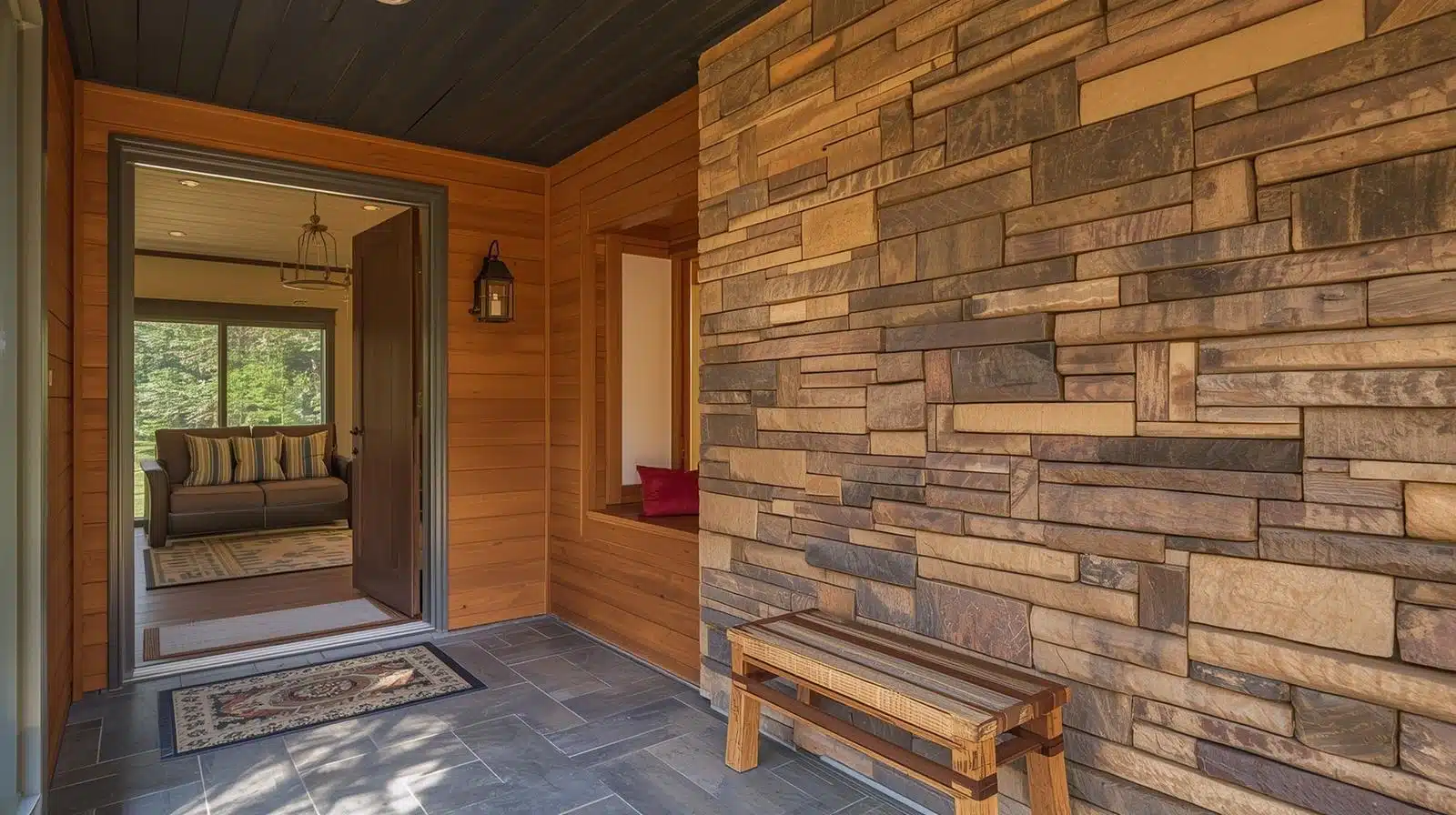
Stone veneer, whether manufactured or natural, is the ultimate choice for homeowners who want to create a timeless, upscale exterior. Often used as an accent rather than full cladding, it provides depth, richness, and curb appeal that few materials can match.

Why it elevates a home’s exterior:

Stone veneer delivers a sense of permanence and luxury that instantly boosts curb appeal and resale value. It pairs beautifully with other siding types, like fiber cement or engineered wood, to create a custom, layered design.

Balance of elegance, durability, and ROI:

Though more expensive upfront, stone veneer is extremely durable and requires little maintenance once properly installed. Its longevity and high-end aesthetic often provide a significant boost in resale value.

Best fit:

Stone veneer is perfect for homeowners looking to create a statement entryway, foundation accent, or full luxury façade. It’s especially appealing in upscale neighborhoods or for homeowners who see their house as a long-term investment.

home remodel portland or

Best for Natural Aesthetics: Engineered Wood
(LP® SmartSide)

Engineered wood siding delivers the beauty of real wood with added durability and weather resistance. It’s manufactured with treated wood strands and resins, making it a more stable and cost-effective alternative to traditional wood siding.

Why it appeals to nature-inspired homeowners:

Engineered wood offers the warmth, grain patterns, and authentic look of cedar or redwood while reducing the risk of rot and insect damage. For PNW homeowners who love wood aesthetics but worry about maintenance, it’s a perfect compromise.

Balance of style, performance, and affordability:

Lighter and easier to install than fiber cement, engineered wood lowers labor costs while still providing decades of reliable performance. Its ability to be painted or stained also offers flexibility for homeowners who like to refresh their exterior.

Best fit:

Engineered wood is ideal for homeowners who want the traditional, natural look of wood without its high upkeep. It’s particularly attractive for craftsman, cottage, or rustic-style homes common in the Pacific Northwest.

Modern metal roof

Quick Comparison: Cost & ROI Cheat Sheet

Siding Type
Fiber Cement (James Hardie)
Engineered Wood (LP® SmartSide)
Metal (Aluminum or Steel)
Stone Veneer (Manufactured/Natural)
Traditional Wood (Cedar, Redwood)
Average Lifespan
30–50 years
20–25 years
40–70 years
50+ years
15–30 years
Upfront Cost
$$$ (mid-high)
$$ (mid-range)
$$$$ (high)
$$$$+ (premium)
$$$$ (mid-high)
Maintenance Needs
Low — occasional painting/cleaning
Moderate — repainting/sealing over time
Very low — resists pests, rot, fire
Very low — minimal upkeep once installed
High — frequent staining/painting
Resale ROI
70–80%
60–70%
65–75%
70–80%
50–60%
PNW Advantage
Excellent moisture resistance, industry-best warranties
Wood look with better durability, lighter install
Ideal for modern builds, durable in wet/windy climates
High-end curb appeal, excellent durability with drainage
Natural beauty, but vulnerable to rot in wet climates

PNW Tip:

ROI numbers are based on national cost vs. value reports but tend to skew higher in the PNW where durable siding is essential for homebuyers.

Cutting Edge Project Case Study: Vancouver, WA Siding

One Vancouver homeowner replaced their aging cedar siding with James Hardie fiber cement. Not only did the upgrade cut yearly maintenance costs in half, but when they listed their home two years later, the resale value increased by nearly 20% compared to similar homes with wood siding. This kind of long-term return is why fiber cement remains the most trusted siding material in the Pacific Northwest.

3-Step Framework for Choosing Your Top Siding Option

home remodel portland or

1. Set Your Budget

Before you fall in love with a siding style, determine how much you’re prepared to spend and explore whether financing makes sense for your project. Remember, siding is a long-term investment. Sometimes spending a bit more upfront on durable materials can save thousands in future repairs and energy costs.

2. Pick Your Style Priority

Decide what matters most to you aesthetically: a sleek modern design, timeless traditional look, luxury finishes, or the ease of low-maintenance siding. Clarifying your style goals will help you and your contractor narrow down the materials and profiles that best fit your vision without wasting time on options that don’t align.

3. Match to PNW Performance

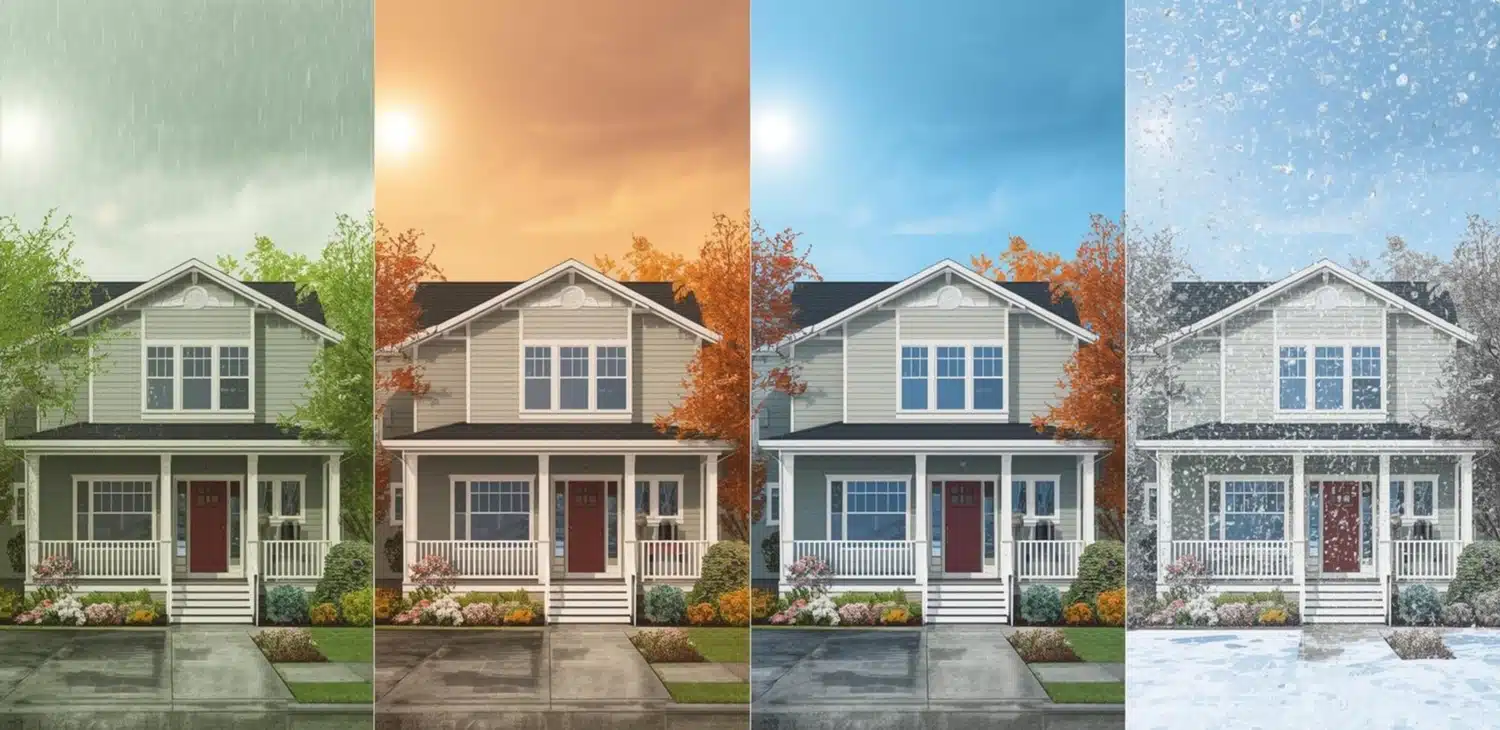
In the Pacific Northwest, siding isn’t just about looks, it must perform in heavy rain, moss-prone areas, and seasonal windstorms. Choose a material proven to handle this climate (like fiber cement, engineered wood, or metal) so your home stays protected and your investment pays off for decades.

 FAQ: Siding ROI and Home Value

1. What siding material gives the best return on investment in the Pacific Northwest?
Fiber cement siding (such as James Hardie) typically delivers the highest ROI thanks to its durability, low maintenance, and strong curb appeal. According to industry reports, homeowners can recoup 65–80% of their investment at resale, making it one of the smartest long-term upgrades.
2. Does siding replacement really increase home resale value?
Yes, new siding immediately improves curb appeal, which is a major factor in buyer perception. Homes with modern, durable siding often sell faster and for a higher price compared to similar homes with outdated or damaged siding.
3. How do warranties affect ROI?
Manufacturer warranties (like James Hardie’s) combined with contractor workmanship guarantees protect your investment for decades. Buyers also see strong warranties as a sign of quality, which can make your property more attractive on the market.
4. Is siding replacement worth it if I’m not planning to sell it soon?
Absolutely, quality siding reduces ongoing repair costs, lowers utility bills, and prevents costly water damage. Even if resale isn’t on the horizon, you’ll enjoy long-term savings and peace of mind.
5. How long do high-ROI siding materials last?
Fiber cement can last 30–50 years, engineered wood up to 30 years, and metal siding as long as 40–70 years with proper care. Longevity ensures you won’t be reinvesting in major siding repairs every decade, which keeps ROI strong over time.
6. Will new siding lower my energy bills?
Yes, when paired with proper insulation and moisture barriers, modern siding reduces drafts and heat loss. This not only saves you money each month but also adds to your home’s resale appeal with energy-conscious buyers.
7. What siding mistakes hurt ROI the most?
Choosing a low-cost contractor who cuts corners on flashing, waterproofing, or installation quality often leads to early failures. Using cheap, non-durable siding materials is another common mistake, what looks like savings upfront often turns into expensive repairs later.
8. Can mixing siding types increase ROI?
Yes, combining materials like fiber cement with stone veneer accents can elevate curb appeal and make your home stand out. Strategic use of premium finishes in high-visibility areas creates a luxury look without overspending.
9. How do I know if my siding investment will pay off?
Work with a certified local contractor who can provide accurate estimates, show examples of past ROI-driven projects, and recommend materials suited for PNW weather. When installation quality and product choice align, the investment nearly always pays back in value, protection, and savings.
10. Should I wait for a specific season to replace siding for best ROI?
Spring and summer are ideal in the PNW for smoother scheduling and faster installations. However, planning ahead and booking early can sometimes secure better pricing while ensuring your siding is installed before the heavy winter rains.

Choose the Right Fit for Your Home

No matter your style or budget, there’s a siding option that can protect your home and enhance its curb appeal for decades. From fiber cement’s all-around strength to stone veneer’s luxury look, the key is balancing cost, style, and climate performance.

Schedule your free siding ROI consultation with Cutting Edge Contracting and see how the right choice can boost your home’s value for decades.