Roof Maintenance Tips for Pacific Northwest Homes (2026 PNW Guide)

by | Feb 25, 2026

Keep your roof in top shape despite the Pacific Northwest’s constant rain, moss, and wind. Discover seasonal roof maintenance tips, local climate considerations, and expert advice from trusted Vancouver WA and Portland OR roofers.

exterior curb appeal

Why Roof Maintenance Matters in the Pacific Northwest

In the Pacific Northwest, your roof is up against year-round rain, damp air, and seasonal windstorms. Without proper upkeep, even a newer roof can suffer premature wear, moss invasion, or hidden leaks. Regular roof maintenance service not only prevents expensive repairs but also extends your roofing system’s lifespan.

For homeowners in Vancouver WA, Portland OR, Camas, and Gresham, proactive care ensures your home stays dry, energy-efficient, and ready to handle whatever the weather brings. With the right maintenance plan, you can avoid emergency calls during the peak storm season and keep your roof warranty coverage intact.

Seasonal Roof Maintenance Schedule Pacific NW Homeowners Guide

Season
Spring
Summer
Fall
Winter
Tasks to Prioritize
Inspect shingles, flashing, and gutters after winter storms. Clear moss and algae early.
Schedule professional roof cleaning and repairs. Trim overhanging branches.
Clear gutters and valleys of leaves. Inspect for loose or damaged shingles.
Monitor for ice dam formation and check attic ventilation.
Why It Matters in the PNW
Catch damage from heavy winds and ice before summer moss growth takes hold.
Dry conditions allow safe, effective work and prevent debris buildup in fall.
Heavy rains make drainage crucial to prevent leaks and ice dams.
Good ventilation prevents condensation and mold during cold, wet months.

PNW Tip:

Schedule major repairs in late summer to avoid weather delays and lock in contractor availability before the fall rush.

new roof vancouver washington

Common Roof Issues in the Pacific Northwest

The PNW’s wet, moss-prone climate brings unique roofing challenges. Here’s what you should watch for year-round:

Moss and Algae Growth

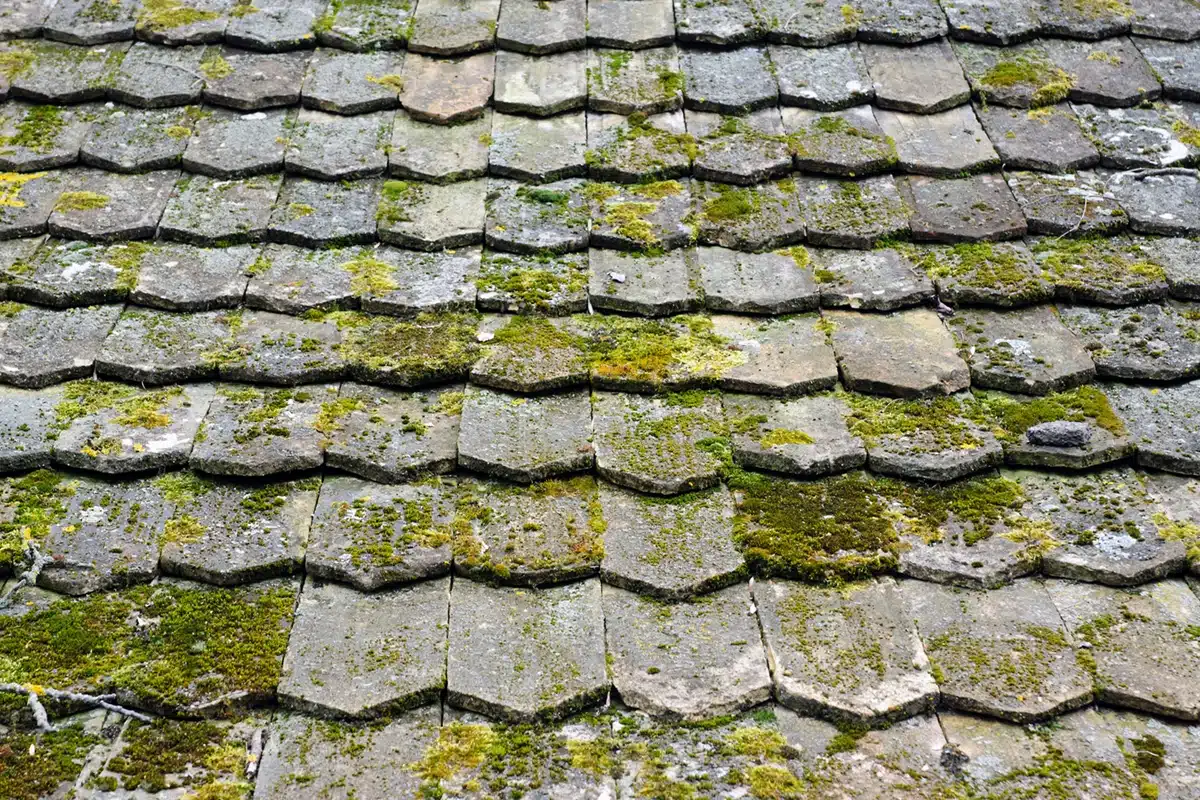
Moss traps moisture, lifts shingles, and causes faster deterioration over time. Algae streaks not only affect your roof’s appearance but also signal high moisture retention, which can lead to premature material breakdown.

Clogged Gutters

Blocked gutters cause water to back up under shingles, leading to leaks, fascia damage, and even foundation issues. Regular gutter maintenance ensures proper water flow and prevents costly repairs.

Loose or Missing Shingles

Windstorms can easily dislodge shingles, exposing the underlayment to rain and debris. Even a single missing shingle can allow moisture penetration that leads to rot and structural damage.

Damaged Flashing

Rusted or loose flashing around chimneys, skylights, and vents creates easy entry points for water. Replacing or repairing flashing quickly prevents interior leaks and mold growth.

Poor Ventilation

Inadequate attic airflow traps heat and moisture, raising the risk of mold, mildew, and ice dams in winter. Proper ventilation upgrades improve roof longevity and energy efficiency.

PNW Tip:

Moss control isn’t optional here, invest in professional moss removal or treatment at least once a year.

Moss & Algae Control Long-Term Solutions

Moss and algae aren’t just cosmetic, they’re a structural threat in our damp region.

Zinc or Copper Strips: These naturally occurring metals inhibit moss and algae growth when installed near the roof peak. As rainwater washes over them, trace metals are released, keeping the roof surface cleaner for longer.

Algae-Resistant Shingles: These shingles are manufactured with embedded copper granules to resist algae growth. They’re an excellent choice when replacing older shingles in the PNW’s humid climate.

Regular Treatments: Annual or semi-annual moss treatments prevent regrowth without damaging shingles. Professional applications ensure even coverage and use of environmentally safe products.

home remodel portland or

Post-Storm Roof Checks

After high winds or heavy rain, a quick inspection can prevent costly water damage.

Look for Shingle Damage: Missing, lifted, or curled shingles should be replaced immediately to avoid moisture penetration. Even minor wind damage can escalate into larger issues if left unaddressed.

Inspect Flashing: Storms can loosen or bend flashing, especially around chimneys, skylights, and vents. If not repaired quickly, these openings can lead to interior water damage and mold growth

Check Gutters and Downspouts: Heavy rains and wind-blown debris can clog your drainage system in a matter of hours. Blockages can cause overflow that damages siding, landscaping, and your roof edge.

When to Call a Professional

Some tasks are safe for homeowners, but others require expert skills and equipment.

A smiling couple stands outside their home, shaking hands with a real estate agent in a red shirt who holds a tablet. The house has stone siding and a landscaped front yard with flowers and bushes.

Call a Pro For:

Roof repairs, moss removal, flashing replacement, or steep-slope cleaning. These tasks require proper safety equipment, specialized tools, and knowledge to avoid causing additional damage.

DIY-Friendly Tasks:

Clearing gutters, trimming small branches, and visual inspections from the ground. These lower-risk activities still require caution but can be performed without climbing onto the roof.

Insurance & Roof Maintenance Records

Keeping detailed records of roof maintenance can strengthen future insurance claims.

Document Every Inspection:

Save dated reports and photos from professional visits. This evidence helps prove that you’ve maintained your roof to insurer standards.

Before & After Photos:

Capture the condition of your roof before and after any repair or cleaning. This provides a clear record that damage was addressed promptly and professionally.

Use Local Contractors:

Insurance companies trust reports from certified, local roofers familiar with PNW roofing standards. Their documentation is more likely to be accepted without dispute.

Close-up view of brown asphalt roof shingles arranged in an overlapping pattern, displaying a textured surface and uniform rectangular shapes installed by a skilled general contractor.

Energy Efficiency & Roof Maintenance in the PNW

Your roof plays a major role in your home’s heating and cooling performance, especially in the Pacific Northwest where weather patterns can shift quickly. Maintaining your roof properly helps you save on energy bills and keep indoor temperatures comfortable year-round.

Seal and Insulate Attics:

Proper attic insulation and air sealing reduce heat loss in winter and keep hot air out in summer. This not only lowers energy costs but also reduces the risk of condensation-related mold growth.

Choose Reflective Coatings:

Applying light-colored or reflective roof coatings helps deflect sunlight and lower cooling costs during warmer months. In the PNW, this can be especially beneficial during summer heatwaves.

Maintain Ventilation Systems:

Roof vents, ridge vents, and soffit vents all work together to regulate temperature and moisture. A well-ventilated attic prevents excessive heat buildup, extending the life of your roofing materials.

closeup-siding-detail-portland-home

Sustainable Roofing Practices for PNW Homes

Environmentally conscious roofing choices are becoming more popular among Pacific Northwest homeowners. Choosing sustainable practices benefits both your home and the surrounding ecosystem.

PNW Tip:

Select roofing materials with algae-resistant coatings to reduce chemical cleaning needs over the years.

Use Recyclable Materials: Metal roofing, clay tile, and certain composite shingles can be recycled at the end of their lifespan. This keeps waste out of landfills and supports a circular materials economy. ([Eco-friendly roofing options](LINK to Eco-Friendly Roofing Options Page))

Install Solar Panels or Cool Roofs: Combining your roof with renewable energy or reflective technology helps reduce your carbon footprint and utility bills. In the PNW, solar systems can still perform well despite frequent cloud cover.

Opt for Durable, Long-Life Products: The longer your roof lasts, the fewer resources are needed for replacements. Choosing materials with a 40–50 year lifespan or longer is both cost-effective and environmentally friendly.

Key Takeaways: Roof Maintenance for PNW Homes

Regular roof maintenance isn’t optional in the Pacific Northwest, it’s essential for protecting your home and investment. Here are the top things to remember:

Annual Inspections Pay Off:

Schedule at least one professional inspection per year, and more often for older roofs or moss-prone areas. This helps catch small problems before they escalate into costly repairs.

Moss Prevention is a Must:

The damp PNW climate accelerates moss growth, so annual treatments are necessary. Skipping moss control can cut your roof’s lifespan by several years.

Gutters Protect Your Roof and Home:

Keeping gutters clear ensures proper drainage, preventing water damage along the roofline and foundation. Overflowing gutters are one of the top causes of preventable leaks.

Post-Storm Checks Save Money:

Inspect your roof after severe weather to document potential insurance claims. Addressing damage promptly can make the difference between a quick fix and a major repair.

Hire Local, Certified Contractors:

Local roofers understand PNW-specific roofing challenges and can provide documentation trusted by insurers. Working with certified pros also helps protect your warranty coverage.

Roof Maintenance FAQs

1. How often should I have my roof inspected in the PNW?
At least once a year, preferably in late summer or early fall before the rainy season begins. If your roof is older or surrounded by heavy tree cover, consider semi-annual inspections.
2. Can I clean moss off my roof myself?
DIY moss removal can be risky and may damage shingles if done incorrectly. It’s best to hire a professional who uses safe, non-abrasive cleaning methods.
3. What’s the best way to prevent moss from coming back?
Annual treatments with eco-friendly moss control products and installing zinc or copper strips can help. Regular roof cleaning also reduces moss growth by removing debris.
4. How do clogged gutters affect my roof?
Blocked gutters can cause water to back up under shingles, leading to leaks and structural damage. In winter, it can also contribute to ice dam formation.
5. Does roof maintenance help with insurance claims?
Yes, documented maintenance shows insurers that your roof damage wasn’t caused by neglect. Keeping photos and inspection reports can strengthen your claim.
6. Are metal roofs easier to maintain in the PNW?
Metal roofs are highly durable and resist moss growth better than asphalt shingles. However, they still require periodic inspection for fastener integrity and sealant condition.
7. How soon after a storm should I inspect my roof?
Within 48–72 hours to catch issues early and meet insurance claim deadlines. Prompt action also reduces the risk of further damage from incoming weather.
8. Can poor ventilation really damage my roof?
Yes, without proper airflow, heat and moisture can build up in the attic, causing mold growth, warped decking, and shingle deterioration.
9. What are the most common roof repairs in the PNW?
Moss removal, shingle replacement, flashing repair, and gutter cleaning are the most common. These preventive repairs keep your roof healthy and extend its lifespan.
10. How can I choose the right roof maintenance company?
Look for licensed, insured, and locally experienced contractors with strong customer reviews. Ask if they offer detailed inspection reports and warranties on their work.

Don’t wait for moss or leaks to cause costly damage.

Book your professional roofing service in Vancouver WA, Portland OR, Camas, or Gresham today and keep your home protected year-round with trusted local experts.